How to Grow Your IT Business: 10 Proven Strategies

TL;DR - Summary
- What does growing an IT business actually involve? - Growing an IT business means increasing revenue, expanding the customer base, entering new markets, and strengthening internal operations at the same time. Sustainable growth requires these areas to develop together rather than relying on progress in just one area.
- Why do most Indian IT businesses stop growing? - Indian IT businesses can hit a growth plateau when they depend heavily on referrals, compete mainly on price, or rely too much on project-based revenue. Growth can also slow when the founder remains responsible for sales, delivery, and operations, making it harder to delegate decisions and scale the business.
- What are the best ways to grow an IT business in India? - The best ways to grow an IT business in India include specialising in a clear niche, turning services into repeatable packages, developing retainer-based revenue, strengthening digital visibility, pursuing international clients, and tracking key growth metrics.
- How do you measure whether an IT business is actually growing? - An IT business should measure growth by tracking revenue, profit, market share, customer acquisition, and customer lifetime value together. Rising revenue alone does not necessarily indicate healthy growth if costs are increasing faster than income.
- How can Indian IT businesses win international clients? - Indian IT businesses can win international clients by building credibility in a specific niche, reaching prospects through channels such as LinkedIn and Upwork, pricing their services confidently, and offering a reliable, compliant, and cost-effective way for overseas clients to make payments.
What Does Growing an IT Business Actually Mean?
Growing an IT business means expanding its revenue, customer base, markets, and operational capacity in a way that can be sustained as the business gets bigger. These four areas need to develop together, because increasing sales without the people, systems, or processes to support them can create operational strain rather than sustainable growth.
A business may increase sales, for example, but if its team and systems cannot support the extra workload, that growth may not last.
- Revenue growth: Increase the money the business earns from its services or products. This can come from charging more for existing services, winning more business, or adding new income sources such as retainer agreements and productised services.
- Customer growth: Build a larger and stronger client base by reaching new audiences, increasing brand visibility, and creating better customer experiences that encourage repeat business and referrals.
- Market expansion: Take the business into new industries, customer segments, or geographic markets. For an Indian IT company, this could mean deliberately pursuing clients in markets such as the US, UK, or Southeast Asia rather than relying only on the domestic market.
- Operational growth: Build the people, processes, and technology needed to manage a larger volume of work. Stronger systems and greater workforce capacity allow an IT business to take on more demand without compromising delivery or service quality.
✅ PRO TIP
Define the type of growth you need before investing in expansion. If the immediate priority is higher revenue, entering new markets, or improving operational capacity, your growth plan should focus on that specific goal first.
Why Do Most Indian IT Businesses Stop Growing?
Most Indian IT businesses stop growing because they rely too heavily on referrals, compete mainly on price, depend on one-off projects, or keep key sales and operational decisions with the founder. As the business expands, these limitations can make revenue unpredictable, restrict delivery capacity, and make further scaling difficult.
- Over-reliance on referrals: Referrals can bring strong clients, but they are difficult to predict. Without a consistent lead-generation process, the business may face gaps between projects and struggle to maintain a steady sales pipeline.
- Competing mainly on price: Lower pricing can help an IT business win its first clients, but constantly undercutting competitors limits margins and makes growth harder. A clear industry or service specialisation can help shift the focus from price to expertise and value.
- Dependence on project-based work: One-off projects create recurring pressure to find the next client. Adding maintenance, support, development, or other retainer services can create recurring revenue and make cash flow more predictable.
- Founder-led operations: When one person controls sales, client relationships, delivery, and daily decisions, the founder can become the business's biggest bottleneck. Building a capable team and delegating responsibilities creates room for business development and strategic work.
- Weak operational capacity: More clients can expose gaps in processes, staffing, and technology. Without reliable project management, automation, and internal workflows, increased demand can lead to delays, inconsistent delivery, and overloaded teams.
- Lack of meaningful growth metrics: Revenue alone cannot show whether an IT business is scaling sustainably. Tracking profit, customer acquisition, conversion rates, and customer lifetime value alongside revenue gives a clearer view of business health.
For Indian IT businesses ready to move beyond the domestic market, international clients can provide another avenue for growth. However, expanding overseas requires more than finding buyers. The business also needs strong positioning, a repeatable sales process, sufficient delivery capacity, and a reliable way to receive international payments.

What Are the Best Ways to Grow an IT Business in India?
The best ways to grow an IT business in India combine day-to-day improvements with longer-term moves such as entering new markets and building recurring revenue. For Indian IT businesses and agencies, international client acquisition can be a particularly valuable growth channel, given the country's established position as a global IT services hub.
Here are 10 practical growth strategies for Indian IT businesses.
Strategy 1: Niche down and build a vertical-specific practice
Generalist IT businesses often end up competing on price. A stronger way to stand out is to specialise in a particular industry or problem area, such as healthcare SaaS, fintech integrations, or e-commerce platforms. A clear niche can help an agency demonstrate deeper expertise and justify stronger pricing.
It also makes marketing more focused. Instead of speaking to every possible buyer, the business can create targeted messaging, attract more relevant referrals, and build credibility faster with potential clients, including international buyers.
Strategy 2: Productise your services
Turn services that you deliver repeatedly into clearly defined packages rather than creating a new scope for every client. For example, an agency could offer “Shopify store setup in 5 days - $X flat” with a defined deliverable and price.
This makes the service easier for clients to understand and easier for the team to deliver consistently. It can also shorten the sales cycle because prospects do not need an extensive discovery process just to understand what they are buying.
Strategy 3: Build a retainer pipeline, not just project work
Project-based income can fluctuate as one engagement ends and another begins. Retainers for maintenance, support, or ongoing development can create more predictable monthly revenue and reduce the need to constantly replace completed projects.
Start with the clients you already have. Upselling or cross-selling relevant services to an existing customer is generally more efficient than finding and converting an entirely new prospect, making the existing client base an important source of growth.
Strategy 4: Improve your digital presence and content marketing
Your website is often one of the first places a potential client checks before contacting an IT business. Make it work as a proof point by showcasing:
- Industry expertise: Explain the specific problems and sectors you understand.
- Case studies: Show what you delivered and the results achieved.
- Useful content: Publish blogs, LinkedIn posts, and other material that answers questions your target clients are already asking.
Consistent, niche-focused content can generate inbound interest over time and reduce reliance on referrals or cold outreach alone.
Strategy 5: Target international clients actively
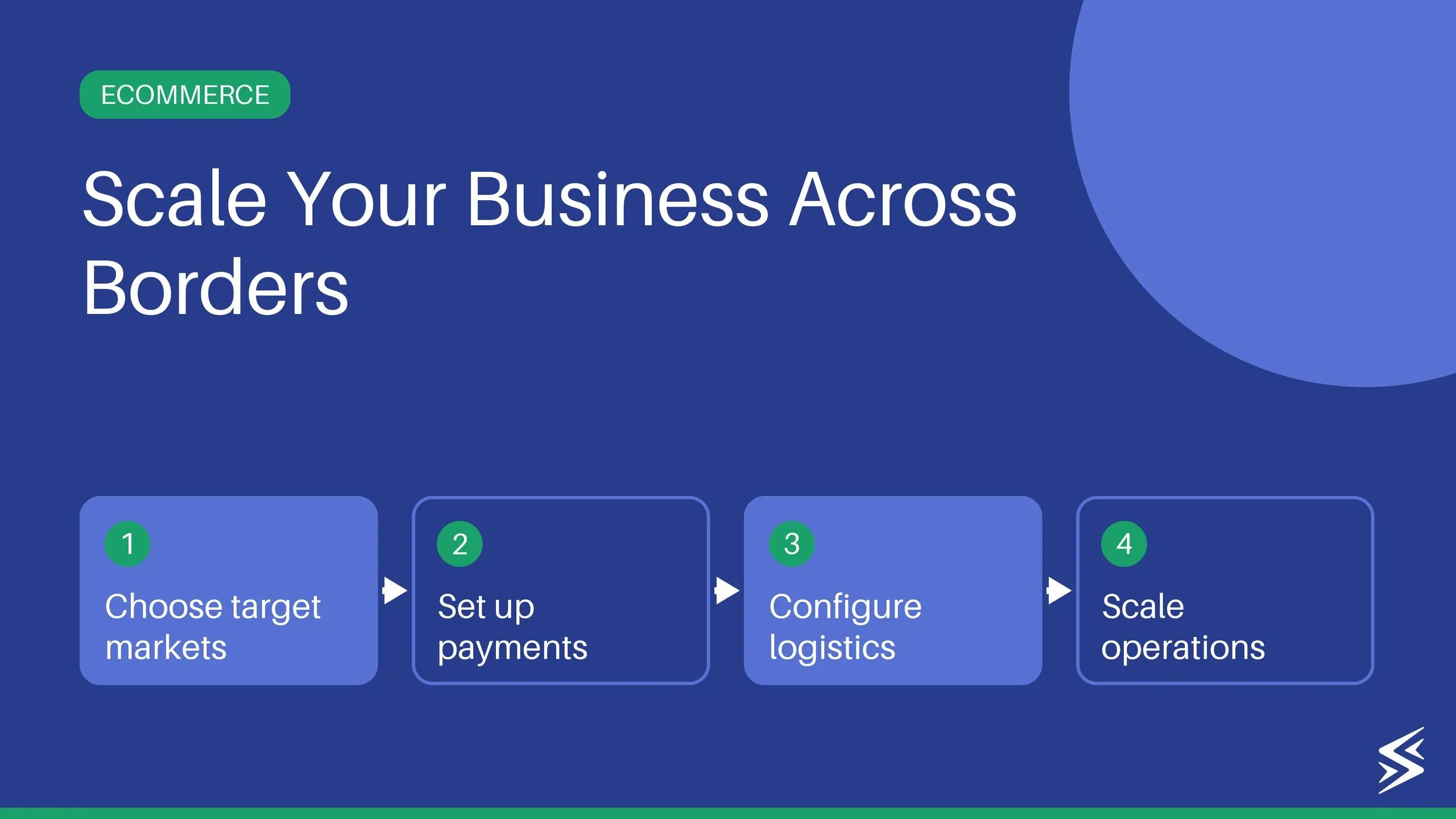
Indian IT businesses can use their access to skilled technology talent and cost competitiveness to pursue overseas buyers. Rather than waiting for international enquiries, businesses can actively reach prospects through LinkedIn, Upwork, and targeted outreach.
The most relevant markets will depend on the service and niche, but Indian IT businesses can target buyers in the US, UK, EU, and Southeast Asia. International work can increase the potential value of individual contracts and diversify revenue beyond the domestic market, although profitability will still depend on pricing, delivery costs, and the type of service.
Strategy 6: Invest in sales and lead generation processes
An IT business that depends entirely on word-of-mouth has limited control over when the next opportunity arrives. A repeatable lead-generation process can create a more predictable pipeline through channels such as:
- CRM systems: Track prospects, conversations, follow-ups, and conversions.
- Email sequences: Stay in front of prospects without relying on one-off outreach.
- LinkedIn outreach: Connect directly with decision-makers in relevant industries.
- Inbound marketing: Use useful content to attract prospects who are already looking for solutions.
Track customer acquisition rate, or the number of new clients won during a defined period, to see whether these sales efforts are translating into actual growth.
Strategy 7: Diversify revenue streams
Look beyond billable client work for additional ways to monetise the business's expertise. Depending on its capabilities, an IT company could add:
- Training and educational programmes
- Consulting services
- Licensing for proprietary tools
- Small SaaS products built around existing expertise
Multiple revenue sources reduce dependence on any single client or project and can create income that is not directly tied to billable hours.
Strategy 8: Hire strategically, not reactively
Scaling the business does not mean hiring whoever is available whenever demand increases. The team needs the right mix of technical and operational skills to deliver work without making the founder responsible for every decision.
As capable team members take ownership of delivery, the founder can spend more time on business development, important client relationships, and strategic decisions. This shift is often essential when moving from a founder-led business to a scalable operation.
Strategy 9: Adopt automation and project management tools
Look at the workflows that consume the most time and identify repetitive tasks, handoff problems, and other bottlenecks. Automating suitable processes can lower administrative overhead and help the existing team manage more work without requiring headcount to increase at the same rate.
Tools such as project management platforms, CRM systems, and accounting software can also reduce manual coordination and give teams better visibility into projects, customers, and finances. The aim is to make delivery more consistent as the business takes on greater demand.
Strategy 10: Set clear growth goals and track them
An IT business needs to define what growth actually means before it can measure it. That could be a revenue target, a specific number of clients, entry into a new market, or an operational goal.
Review key metrics regularly to see whether the business is growing sustainably:
- Revenue growth: Shows whether income is increasing.
- Profit margin: Shows how much of that revenue is actually retained after costs.
- Customer acquisition rate: Tracks how quickly new clients are being added.
- Conversion rate: Shows how effectively prospects become customers.
- Customer lifetime value: Indicates the value generated by a client over the relationship.
Looking at these metrics together gives a clearer picture than revenue alone. A business can increase sales while becoming less profitable if its costs are rising even faster.
A focused vertical gives an Indian IT business a stronger position in international markets. Specialising in something like healthcare SaaS or fintech integrations makes it easier to target the right buyers, show relevant expertise, and stand apart from generalist providers competing mainly on price.

If you're planning to expand into international markets, you can also explore how to start an export business in India.
How Do You Measure Growth in an IT Business?
An IT business should measure growth using a combination of financial, customer, and market metrics rather than relying on revenue alone. Revenue, profit, market share, customer acquisition, customer lifetime value (CLV), and conversion rate each show a different part of the business's growth and should be assessed together.
- Revenue: Revenue is the total income generated over a specific period. Rising revenue can indicate that the business is winning more work or securing higher-value contracts. However, revenue needs to be considered alongside expenses because higher sales do not necessarily mean higher profits.
- Profit: Profit is the amount left after the business covers its expenses. It gives a clearer picture of financial performance than revenue alone. A business can maintain a similar profit from one year to the next and still be healthy if its margins remain strong, while a growing business may need to prioritise increasing profit as it scales.
- Market share: Market share indicates how much of a particular market a business captures compared with its competitors. For a smaller IT company, increasing its presence in a target market can help strengthen its competitive position and create more opportunities to win customers.
- Customer acquisition: Customer acquisition measures the number of new clients gained during a defined period. It helps an IT business determine whether its marketing and sales activities are successfully expanding its customer base.
- Customer lifetime value (CLV): CLV estimates the revenue a customer is expected to generate throughout the relationship with the business. A higher CLV can indicate that clients are staying longer or purchasing additional services, making retention and expansion important parts of sustainable growth.
- Conversion rate: Conversion rate shows the percentage of prospects who complete a desired action, such as booking a sales call or signing a contract. Tracking conversion at different stages of the sales funnel can help identify where potential customers are dropping out.
Growth rate formula
The basic formula for calculating growth is:
Growth rate formula
For example, if an IT business's revenue rises from ₹10 lakh in year one to ₹50 lakh in year two:
[(₹50 lakh − ₹10 lakh) ÷ ₹10 lakh] × 100 = 400%
So, the business's revenue grew by 400%. The ₹50 lakh ending figure is 500% of the original ₹10 lakh, but the increase between the two years is 400%.
For longer periods, businesses can also use CAGR (compound annual growth rate) to calculate the average annual rate at which a metric has grown over multiple periods.
The key rule is to never interpret one growth metric in isolation. For example, if revenue increases but profit declines, the business may be generating more sales while its costs are rising even faster.
Looking at revenue, profitability, customer growth, and other indicators together gives a more reliable picture of whether the business is actually scaling.
⚠️ COMMON MISCONCEPTION
A high revenue growth rate does not automatically mean an IT business is healthy. If expenses are increasing faster than revenue, the business can become less profitable even while its top line is rising
How Can Indian IT Businesses Win International Clients to Grow IT Business Revenue?
Indian IT businesses can grow revenue from international clients by combining specialised positioning, a credible online presence, targeted outreach, competitive pricing, and a reliable payment setup. The goal is not only to win overseas projects but also to turn them into profitable, repeat business.
Building credibility for international buyers
- Make your online presence work as proof: International prospects may not be able to meet your team in person, so your website, case studies, client testimonials, and LinkedIn profile often form their first impression of the business.
- Show specialised expertise: Focusing on a vertical such as fintech, healthcare, or e-commerce makes it easier to demonstrate relevant experience and stand apart from the many generalist IT providers competing for the same international buyers.
Where and how to find international clients
- Use channels where international buyers are active: Platforms such as LinkedIn and Upwork, along with communities focused on specific industries, can help Indian IT businesses connect with potential buyers in the US, UK, EU, and Southeast Asia.
- Turn satisfied clients into referral sources: Existing international clients can introduce you to other businesses in their network. Asking happy clients for relevant introductions is a relatively low-cost way to generate warmer leads than starting every conversation from scratch.
Pricing and positioning for international deals
- Compete on value, not just price: Indian IT businesses can benefit from a cost advantage compared with many Western providers, but being the cheapest option is not always the best strategy. Pricing should reflect the team's expertise, quality, and the value delivered. Rates that appear unusually low can also make prospective clients question the provider's quality.
- Convert suitable projects into retainers: Ongoing services such as support, maintenance, and feature development can turn a one-time international project into recurring monthly revenue. Retainers also make future revenue more predictable.
Payment and compliance setup for international revenue
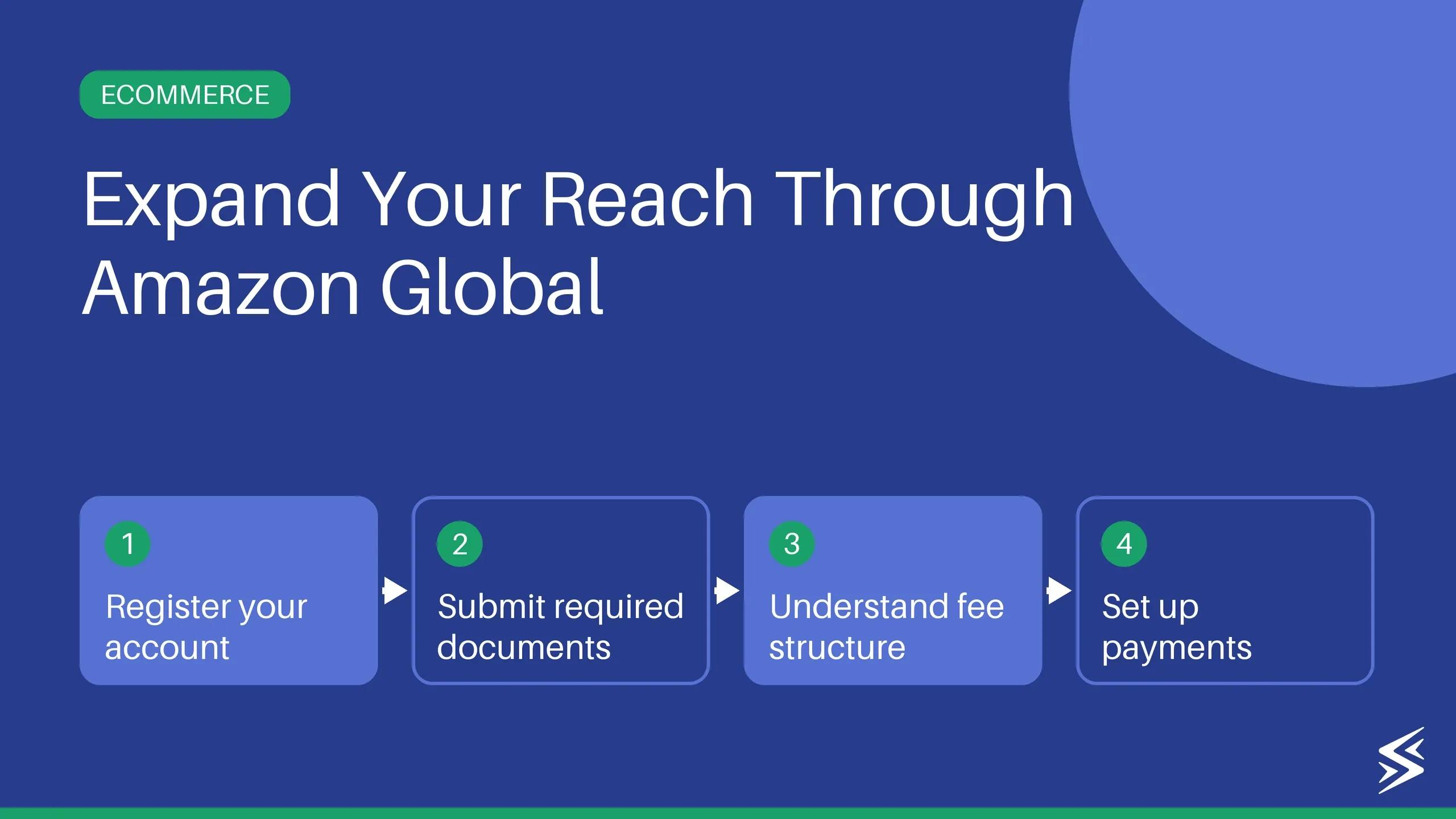
- Keep inward-remittance records in order: Indian IT exporters need appropriate records for foreign payments and export realisation. Banks report inward remittances through Inward Remittance Messages (IRMs), which feed into the DGFT eBRC process. An FIRC/FIRA or other remittance evidence may also be relevant depending on the transaction and documentation requirement.
- Watch the cost of receiving international payments: The final cost can include provider fees, currency-conversion charges, correspondent-bank deductions, and receiving-bank fees. For example, PayPal India currently lists 4.40% + a fixed fee for receiving international commercial transactions, while its published conversion charges can add 3% or 4%, depending on the conversion scenario.
- Choose a payment route that works for your clients and business: A suitable collection method should support the currencies your overseas customers use, provide transparent costs, maintain the records required for compliance, and offer predictable settlement. Depending on the provider, Indian IT businesses can receive currencies such as USD, GBP, EUR, SGD, AUD, and CAD while reducing exposure to percentage-based fees or unpredictable intermediary deductions.
If you're evaluating payment options for overseas customers, you can also explore a PayPal business account for Indian exporters.
How do I start and grow a small IT company from scratch?
To start and grow a small IT company, choose a specific service or industry niche, define your ideal clients, build a credible online presence, and win your first customers through referrals, targeted outreach, or freelance platforms. As the business grows, standardise delivery, introduce recurring services, build a team, and track revenue, profit, customer acquisition, and retention.
What are the 7 stages of business growth for an IT firm?
How can an IT business earn 2 lakh per month and beyond?
Is hiring more developers the fastest way to grow an IT business?
What payment setup do Indian IT exporters need when working with foreign clients?