IDPMS Full Form & Meaning: A Detailed Guide for Importers

Importing goods into India involves strict tracking of payments made overseas and ensuring they align with regulatory requirements. This is where IDPMS becomes essential. It plays a key role in linking the inward movement of goods with outward remittances, helping businesses stay compliant with foreign exchange laws.
As of February 2026, total imports to India are at $80.09 billion, indicating positive growth, and if you are someone into the import business, here is all you need to know about IDPMS.
TL;DR - Summary
- What it is: - IDPMS stands for Import Data Processing and Monitoring System, introduced by RBI in 2016.
- How it works: - A centralised digital solution that matches imported goods with outward remittances to ensure legitimate transactions.
- What it replaced: - Manual tracking systems with automated Bill of Entry and payment reconciliation under FEMA.
- Non-compliance risk: - Import businesses may get listed on RBI's caution list or face financial penalties.
What is IDPMS and What Does It Stand For?
The IDPMS full form stands for Import Data Processing and Monitoring System. It is a centralised and digital platform that tracks import transactions to India that involve the actual incoming shipment and its respective remittance or payment.
The Reserve Bank of India (RBI) and the Indian customs jointly introduced it in 2016 to maintain transparency and control over how import payments are moving out of India.
As an advanced solution, it replaced the traditional manual system for tracking the bill of entry and follow-ups. It is now an automated process and data exchange between Customs and Authorised Dealer banks (AD) under the Foreign Exchange Management Act.
IDPMS covers physical goods imports. For service imports, AD banks must record payment details in IDPMS within 5 working days effective October 2026. The same reconciliation logic applies — payment must be matched to the service transaction.
Why Did the RBI Introduce IDPMS?
The RBI introduced IDPMS to eliminate gaps in tracking import payments and ensure they are backed by actual goods entering the country. Earlier, the manual system often led to delays, mismatches and limited visibility into transactions.
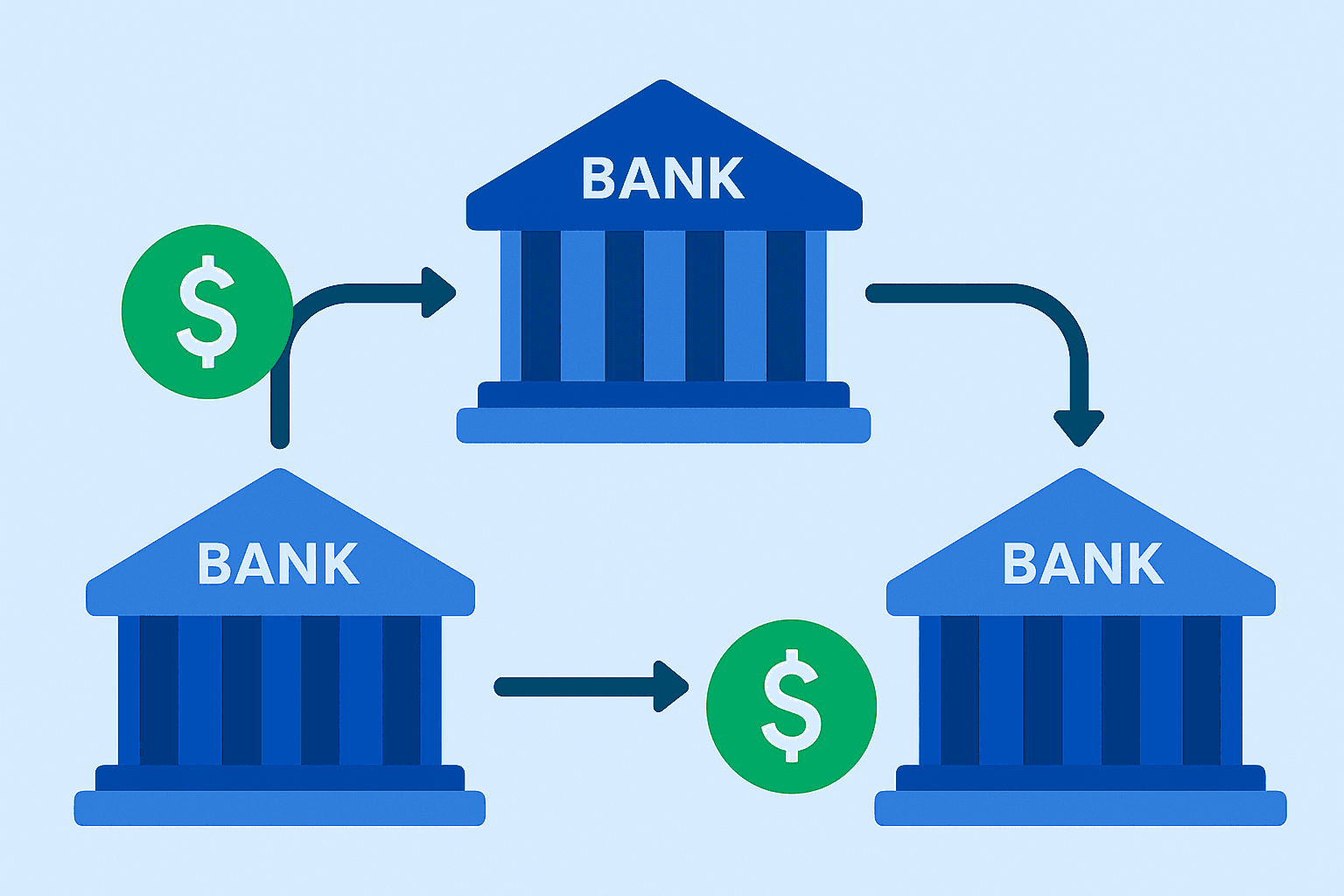
By digitising the process, IDPMS creates a unified link between AD banks, customs and other stakeholders to create a complete and traceable record. This, in turn, helps detect any fraudulent or non-genuine import transactions.
Here are the key solutions that IDMPS brings to the table:
- Monitoring foreign exchange: It ensures that genuine imports justify the foreign and outward remittances.
- Reduces manual tracking: It eliminates paper-based and manual tracking between AD banks and customs.
- Regulatory control: The RBI gets a real-time look into pending import obligations.
Pro Tip: After making each import payment, ask your AD bank for a written confirmation that the related Bill of Entry has been closed in IDPMS.

How Does IDPMS Work?
Hover over any step to expand
The IDPMS process involves coordinated actions between customs, AD banks and importers to ensure accurate tracking and closure of import transactions. To understand this better, let’s look at how the process unfolds step by step:
Role of Customs in IDPMS
It begins with customs authorities handling import documentation and data transmission.
Step 1: When imported goods arrive at the ports, customs generate a BoE and send it to the AD bank of the importer via the ICEGATE portal.
Step 2: A 14-digit code on the BoE identifies the importer’s bank and ensures the right bank receives the data.
Role of AD Banks in IDPMS
Once the data is received, AD banks take over the payment processing and tracking.
Step 3: The AD bank receives the BoE details, processes the importer’s payment request and generates the Outward Remittance Message (ORM).
Step 4: Once the payment is completed and matched, the bank updates IDPMS and closes the BoE accordingly.
Role of Importers in IDPMS
The final stage involves the importer ensuring compliance and timely action.
Step 5: The importer makes timely payments through the AD bank, submits accurate documents and actively follows up to ensure the AD bank closes the BoE.
Step 6: The importer ensures that port codes and BoE numbers match the data that customs uploaded.
Suppose an Indian merchant imports machinery worth $50,000 from Germany. Upon the arrival of goods, customs generate and upload the BoE and send it to the importer’s AD bank. The AD bank then processes the payment and records the remittance.
The importer completes the payment, submits the required documents and ensures all details match the records that the customs uploaded.
The IDPMS then reconciles the BoE and payment details, and if everything aligns, the AD bank closes the BoE and completes the transaction.
What are the Key Documents in IDPMS?
Let us now look at which documents you should keep ready upon receiving shipments:
Bill of Entry (BoE)
It is a legal document that you file with the Indian customs as your goods arrive in India from overseas. Using this primary proof of the physical import of goods, your AD bank gets the confirmation that your consignments have arrived in India.
Outward Remittance Message
Once the customs sends the data to your AD bank through the IDMPS, and after confirmation by the system, your AD bank generates an ORM. It acts as proof of payment that your bank has sent your payment abroad.
What are the Benefits of IDPMS for Importers?
IDPMS has multiple benefits for importers. Here is how the system actually helps importers in day-to-day operations:
- Faster Payment Processing: Due to the automation of the earlier manual process, this helps you as an importer with faster overseas payment processing.
- Regulatory Compliance: As IDMPs replace manual tracking and, in turn, reduce discrepancies, it helps importers to adhere to FEMA, RBI and customs regulations.
- Automated Alerts: If there are any discrepancies in goods received and payment to make, both the bank and the importer receive respective notifications for say unmatched items, etc.
Who Needs to Comply With IDPMS?
Any Indian business that is engaged in import activities and also exporters who import goods from overseas must comply with it.
Furthermore, AD category I banks, typically the RBI-authorised banks, also comply with it to route payments overseas. These payments may include both advance and post shipment payouts.
How is IDPMS Different from EDPMS?
While navigating IDPMS full form and its meaning, you may encounter another term, EDPMS. To avert confusion, refer to the following differences between EDPMS and IDPMS:
If your business involves raw material imports and exports of finished goods, you must maintain compliance with both the IDPMS and EDPMS.
What Happens If You Do Not Comply With IDPMS?
Consequence 1
⚠️ RBI Caution List
Import payments unmatched beyond permitted timeline
Letters of Credit blocked
AD banks will not issue LCs to businesses flagged on the caution list
Bank guarantees refused
Future payment guarantees may be declined by the AD bank
Future payments scrutinised
All subsequent import payment requests face heightened review or rejection
Consequence 2
🚧 Financial Penalties
Unresolved import entries under FEMA
FEMA penalties
Unresolved import entries may attract financial penalties under FEMA provisions
IEC suspension
Importer Exporter Code may be suspended, halting all import operations
Regulatory scrutiny
Ongoing non-compliance invites deeper audits of all foreign exchange transactions
Non-compliance with IDPMS can lead to regulatory scrutiny and operational disruptions for importers. Here’s a closer look at the potential consequences:
RBI Caution List Implications
This caution list or watchlist flags import businesses that have import payments unmatched with the BoE beyond a permitted timeline. Once a business is on this list, AD banks do not usually issue Letters of Credit, bank guarantees and may scrutinise or reject future payment requests.
Financial Penalties
As per FEMA, unresolved import entries may result in financial penalties as well. Also, there is a risk of IEC suspension, which may halt import operations.
What are Common IDPMS Issues and How to Resolve Them?
IDPMS-related issues usually arise from data mismatches or incomplete transaction closures between imports and payments. Here’s a look at some common challenges and how they are typically addressed:
BoE and ORM Mismatch
Importers sometimes deal with issues like a BoE and ORM mismatch. Here, you must submit a written application to your AD bank, and they can write off minimal differences, usually of up to 5%.
Pending Bills of Entry
You may face an issue where BoE remains open even when you have made your payment. Here, you must approach your AD bank with payment proof, and they will close it manually.
Short Shipment or Returns
You may receive fewer goods compared to those invoiced, or shipments may get rescheduled for overseas. Here, provide your AD bank with a short-shipment certificate or re-import documents to manually balance the BoE in IDPMS.
How to Stay IDPMS Compliant and Avoid the RBI Caution List?
Staying compliant with IDPMS requires proactive monitoring and timely reconciliation of import records. Here’s how you can ensure smooth compliance and avoid regulatory issues:
- Choose your AD bank informedly. Opt for the one that actively shares IDPMS status updates and flags pending closures well before the due date.
- While the IDPMS itself reconciles import information, you may also do a double check to stay compliant. Regularly match your internal import data with the IDMPS report to spot and fix discrepancies.
- In case of any discrepancy, address it promptly instead of delaying resolution. Timely action helps prevent escalations, as delays can lead to compliance flags and increase the risk of being placed on the RBI caution list.
Overall, learning the IDPMS full form and its working helps you as an importer, as it not only streamlines import formalities but also ensures you comply with its norms.
For individuals managing international payments, Skydo makes compliance easier. By providing real-time tracking, proper documentation and timely FIRCs, Skydo ensures your payments align with regulatory requirements. Get your virtual account today and simplify cross-border transactions with full transparency!
Can importers access IDPMS directly online?
No, importers cannot directly access the IDPMS portal online. They must get updates from their respective AD banking institutions.
How long does it take to close a Bill of Entry in IDPMS?
What is the process to remove your name from the RBI caution list?
Does IDPMS apply to service imports?
How are advance import payments treated in IDPMS?