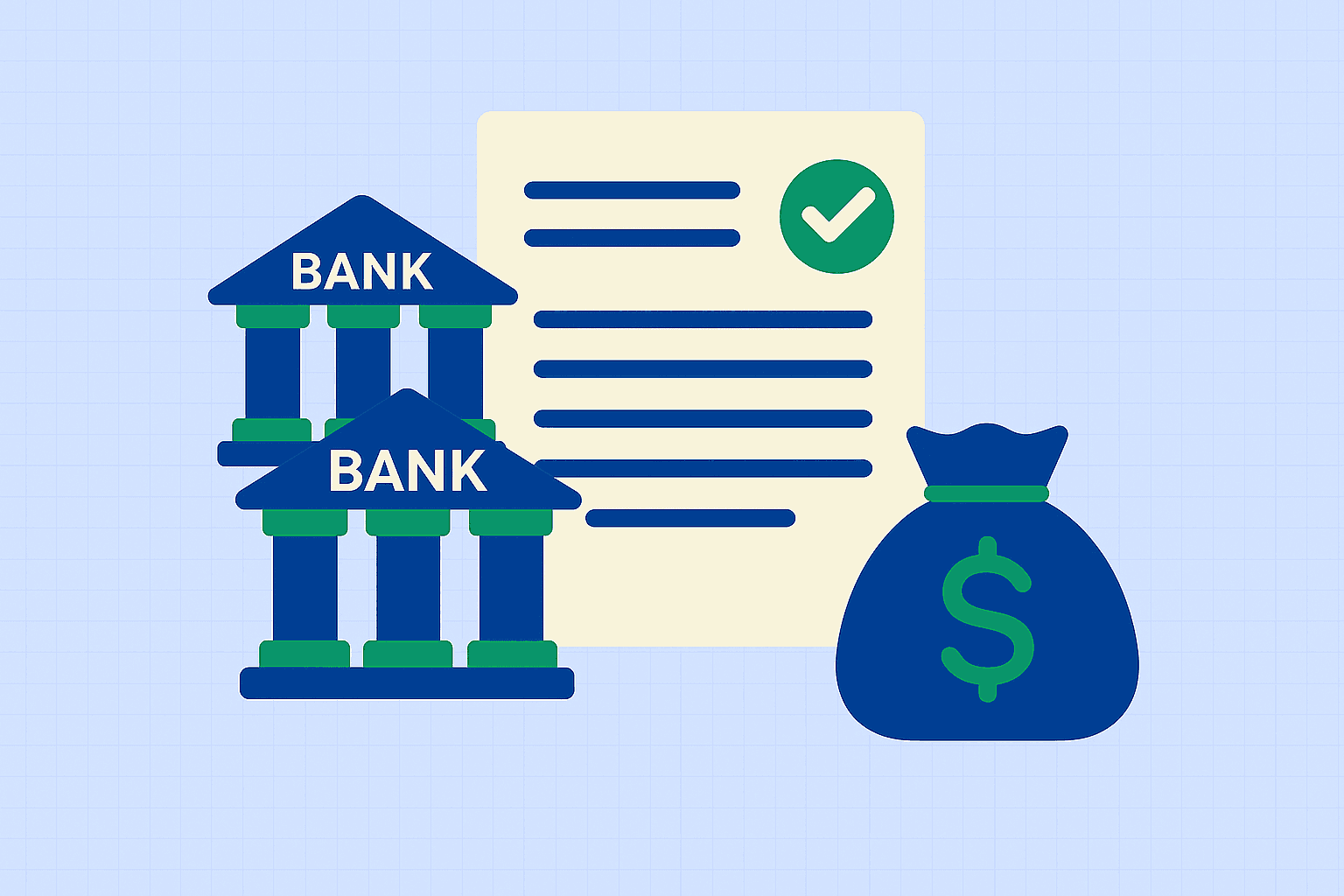
MTSS Full Form: Meaning, Limits & RBI Guidelines Explained

If you want to receive funds from your family abroad or settle any international transaction, then MTSS can simplify the process.
MTSS stands for Money Transfer Service Scheme, which is a framework introduced by the Reserve Bank of India (RBI) to serve as an inward remittance channel. To make the most of this facility, it’s important to understand how the process works and the rules that apply.
This blog explores the transaction limits of MTSS, how MTSS transactions work and the FEMA-RBI guidelines governing MTSS.
TL;DR - Summary
- What it is: - MTSS allows you to receive funds in India from family staying abroad.
- Personal use only: - MTSS is used only for inward personal remittances and not for commercial purposes.
- Transaction limits: - Maximum 30 remittances per year, with each transaction capped at $2,500.
- For exporters and freelancers: - Use RBI-authorised payment aggregators like Skydo instead.
What is Money Transfer Service Scheme?
The Money Transfer Service Scheme allows money sent from abroad to be safely received by individuals in India through authorised channels.
It works through a structured ‘tie-up’ arrangement between an Overseas Principal (the foreign money transfer company), an Indian Agent (a RBI-authorised bank or entity in India that pays out the funds) and the beneficiary (the person receiving the money in India).
Only inward personal remittances, such as funds for family maintenance or money sent to foreign tourists visiting India, are permitted under this scheme.
How MTSS Differs from Regular Bank Transfers?
The MTSS differs from a regular bank transfer because of:
- Purpose: MTSS is strictly meant for personal remittances, while bank transfers can be used for both personal and commercial purposes.
- Speed: MTSS works instantly; bank SWIFT transfers take a few business days.
- Limits: While bank transfers have higher thresholds, MTSS follows per-transaction and annual frequency limits.
- Channel: MTSS employs principals overseas and agents in India, but bank transfers are more direct, with money moving from one bank account to another.
Who Regulates MTSS in India?
The RBI regulates MTSS in India under the Foreign Exchange Management Act (FEMA), 1999. To operate under MTSS, Indian Agents must get approval from the RBI’s Foreign Exchange Department. Similarly, Overseas Principals must obtain authorisation from the RBI under the Payment and Settlement Systems Act, 2007.
What are the Transaction Limits Under MTSS?
$2,500
Per transaction limit
Maximum that can be sent in a single MTSS transfer
30
Remittances per year
Annual cap per beneficiary, regardless of how many senders
₹50,000
Cash pickup limit
Amounts above this must be paid via cheque or direct bank transfer
The RBI has set specific limits for MTSS transactions to prevent their misuse, such as money laundering and terror financing, and ensure it is used only as a personal remittance channel. Before using the MTSS, you should be aware of the following limits:
Maximum Amount Per Transaction
The maximum amount limit for MTSS is $2,500 per transaction. For example, if your relative abroad wants to send you money through MTSS, they can send up to $2,500 in a single transaction.
Annual Frequency Cap for Beneficiaries
Under the MTSS scheme, the RBI allows a single individual beneficiary to receive only 30 remittances in a calendar year. This annual frequency cap is set as per person receiving, not per sender. For instance, even if you can receive money from relatives in multiple countries, you are permitted to receive a total of 30 MTSS transactions per year.
Cash Pickup Limit
Being an Indian beneficiary, you can receive amounts up to ₹50,000 in cash. Amounts exceeding this limit shall be paid via account payee cheque or payment order or directly to your bank account only.
However, if you are a foreign tourist, you can get higher amounts in cash. In such cases, the auditors shall keep a record of the full details of transactions for scrutiny.
Pro Tip
Instead of cash or cheque, you can also choose to have the funds loaded onto a prepaid card issued by your bank.
Can MTSS Be Used for Business or Freelance Payments?
No, you cannot use MTSS to receive business or freelance payments. These regulations ensure that the scheme remains compliant with Financial Action Task Force (FATF) Recommendations and is used only for its intended purpose.
Why MTSS Prohibits Commercial Transactions?
The MTSS prohibits commercial transactions to avoid these compliance issues:
- Legal Violation: Using MTSS for business, freelance or trade-related payments is a violation of FEMA.
- Missing Documentation: The MTSS cannot provide the actual purpose codes required for tax compliance, which businesses need.
- Audit Risk: The use of personal remittance channels for business income can lead to serious compliance gaps upon tax audits.
- No FIRC available: MTSS receipts also do not provide Foreign Inward Remittance Certificates (FIRC), which are required for claiming GST refunds.
FEMA Implications of Receiving Business Payments via MTSS
Under Section 13 of the FEMA Act, 1999, if any business or individual fails to comply with FEMA’s regulations, they could be penalised an amount of 3x the original amount. The penalty can be up to ₹2 lakh, where the amount is non-quantifiable or ₹5,000 per day of continuing contravention.
Watch out: Using the MTSS facility to receive freelance payment or export remittances can result in FEMA violation, even if it is occasional. The RBI monitors the pattern and frequency of transactions. If personal remittances are made frequently from the same source, it may raise suspicions.
Are you a freelancer or an exporter, looking to receive international remittances in compliance with FEMA regulations? Use the Skydo platform and its RBI-approved virtual accounts with transparent fees.
How Does an MTSS Transfer Work – Step-by-Step Guide
Hover over any step to expand
The working process of MTSS transfer involves actions between the overseas sender and the Indian beneficiary. Have a look at the steps below to understand the MTSS transfer process:
- The sender has to visit an overseas principal outlet.
- Now they must fill out the remittance form by inputting beneficiary details and provide a valid government-issued identification.
- The sender has to hand over the funds to the agent with applicable transfer fees.
- Then they get a unique transaction reference number (TRN). The sender must share it with his Indian beneficiary.
- The Indian beneficiary collects the reference number from the sender through proper communication.
- The receiver visits an authorised Indian agent location, like a bank branch, post office or Full-Fledged Money Changer (FFMC) outlet.
- The beneficiary has to fill out the ‘To Receive’ form and submit the unique reference number.
- The receiver must then submit a valid government-issued photo ID.
Once done, the beneficiary can obtain the funds in Indian rupees either as cash or a cheque.
What Are the FEMA Guidelines Governing MTSS?
MTSS operates under the clearly defined regulatory guidelines of FEMA. The RBI outlines these rules through its Master Circular on MTSS. Let us break down these guidelines:
Permitted Personal Remittance Types
- Family maintenance: Supporting dependents in India with medical expenses and education fees
- Travel expenses: For foreign tourists visiting India
Strictly Prohibited Transactions
- Trade-related payments: Import or export settlements
- Investment or capital transactions: Property purchase, stock investments
- Donations: Contributions to charitable institutions or trusts
Reporting and Compliance Requirements
- Indian agents have to report all MTSS transactions to the RBI.
- Transaction records have to be maintained for audit purposes.
- KYC verification is mandatory for every disbursement.
What is the Difference Between MTSS and RDA?
Both the Rupee Drawing Arrangement (RDA) and the MTSS are inward remittance channels, but they differ due to restrictions and usage. Here are the key differences between MTSS and RDA:
| Feature | MTSS | RDA |
|---|---|---|
| Purpose | Personal remittances only | Personal and trade-related |
| Transaction limit | $2,500 per transaction | No limit on remittance amount (except for an upper cap of ₹15 lakh in case of trade-related transactions) |
| Speed | Instant | Might be longer depending on the bank |
| Cash pickup | Allowed up to ₹50,000 | Not allowed |
| Annual frequency | 30 transactions for each beneficiary | No particular limit |
| Suitable for | Family support and tourist expenses | Businesses |
| Channel type | Agent-based | Bank-to-bank |
As you can see, to receive business payments or higher amounts than $2,500, RDA is more beneficial for you.
What Documents are Required to Collect MTSS Money?
Hover over any card to see details
Signed agreement with the chosen Overseas Principal
Audited statements showing net worth and financial stability
Credit rating and bank references of the Overseas Principal
AML controls verified by an independent accountant
Bank account details required for amounts above cash limits
Aadhaar, PAN card, passport, or voter ID accepted
Transaction Reference Number shared by the overseas sender
Form filled at the Indian agent: bank, post office, or FFMC
Required if receiving above ₹50,000 in cash
How Exporters and Freelancers Can Receive International Payments Compliantly?
Understanding the MTSS full form and other relevant details is crucial to receive personal remittance. However, exporters and freelancers cannot receive international payments via MTSS.
They must follow specific compliance requirements, including purpose codes, Foreign Inward Remittance Certificates (FIRC), transparent forex rates and adherence to RBI export guidelines.
To simplify this process, platforms like Skydo offer a seamless way to receive international payments. With multi-currency virtual accounts in USD, GBP, EUR, SGD and more, you can get started with a free account in just a few minutes.
So, are you ready to receive international payments with compliance and transparent fees? Open your free Skydo account today!
How long does an MTSS transfer take to reach India?
An MTSS transfer takes a few minutes to reach India since it is a quick and reliable transfer process.
Are MTSS transfers taxable in India?
Can NRIs send money to their own Indian bank accounts via MTSS?
What exchange rate applies to MTSS transfers?
What happens if business payments are mistakenly received through MTSS?