Payment Aggregator License: Meaning, Types & How To Apply

TL;DR - Summary
- What is a payment aggregator licence? - A payment aggregator licence is the Reserve Bank of India’s authorisation for a non-bank company to provide payment aggregation services, including collecting customer payments and settling funds to merchants through the prescribed escrow mechanism.
- How many types of payment aggregator licences exist? - The RBI recognises three payment aggregator categories: PA-Online for online payments, PA-Physical for physical or face-to-face payments, and PA-Cross Border for cross-border payment aggregation.
- What does a payment aggregator licence cost? - The RBI application fee for a payment aggregator authorisation is ₹10,000 plus applicable GST, while the larger financial commitment comes from meeting the prescribed net-worth requirement and building the required technology, security, and compliance infrastructure.
- How long does payment aggregator licence approval take? - The RBI does not prescribe a standard four-to-six-month approval period, so the time required for payment aggregator authorisation can vary depending on the application, regulatory review, and the applicant’s readiness to meet the requirements.
- Does a domestic payment aggregator licence cover international payments? - No. A domestic PA-Online or PA-Physical authorisation does not by itself cover cross-border payment aggregation; businesses handling eligible cross-border payment flows require the applicable PA-Cross Border authorisation.
What Is an RBI Payment Aggregator License?
An RBI payment aggregator licence is an authorisation issued under the Payment and Settlement Systems (PSS) Act, 2007 that allows a non-bank company to collect digital payments on behalf of merchants and settle the funds with them.
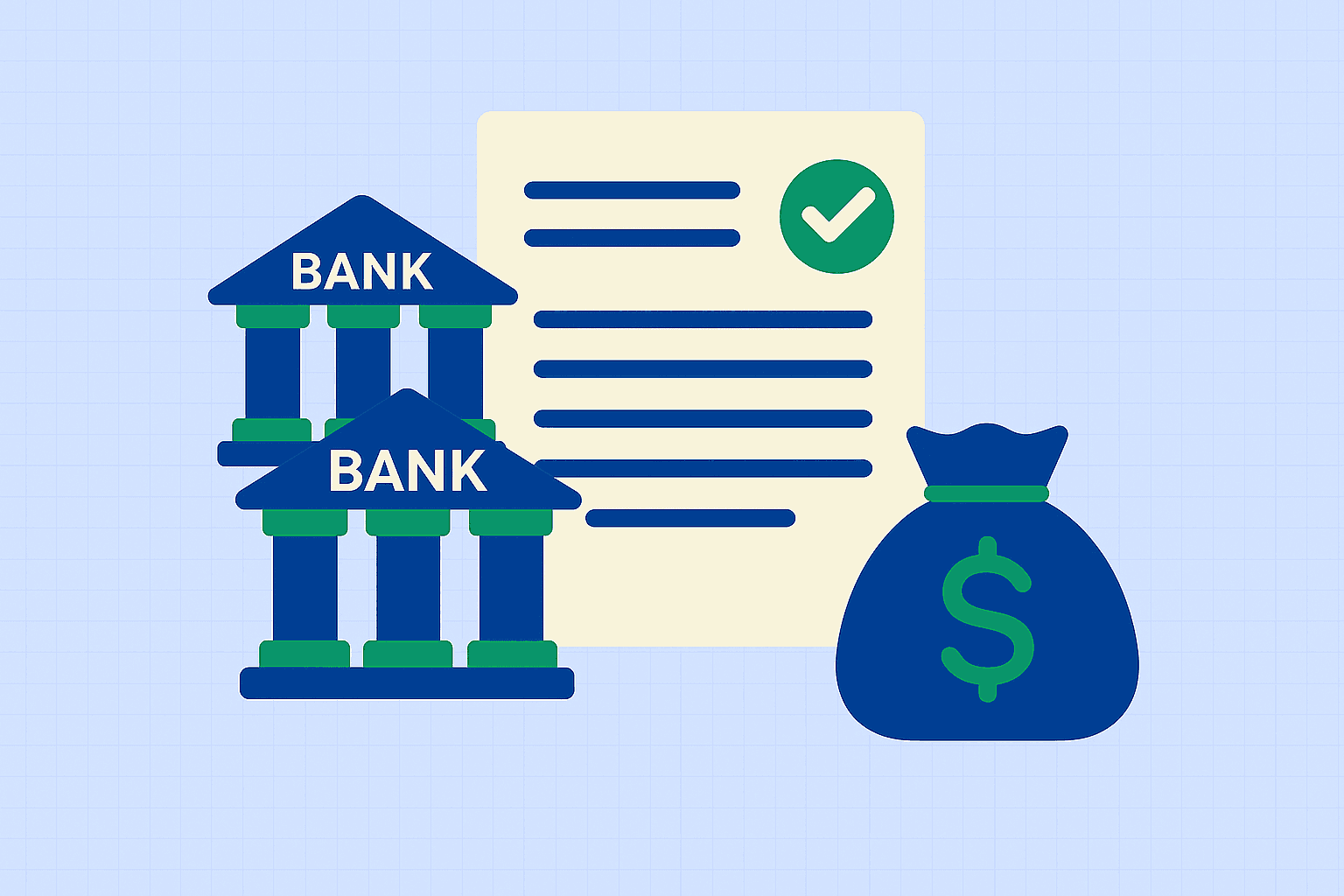
A payment aggregator sits between the customer and the merchant. It collects the payment, keeps the funds temporarily in a dedicated escrow account with a scheduled commercial bank, and then transfers the money to the merchant.
This is different from a payment gateway, which primarily provides the technology needed to securely transmit payment information and transaction responses. Since a payment aggregator handles merchant funds, it is subject to RBI authorisation and regulatory requirements.
The RBI recognises three categories of payment aggregators:
- PA-Online: Covers online payment collection for businesses such as e-commerce platforms, SaaS companies, and fintech services.
- PA-Physical: Covers payment aggregation for physical or face-to-face transactions, including POS-based collections.
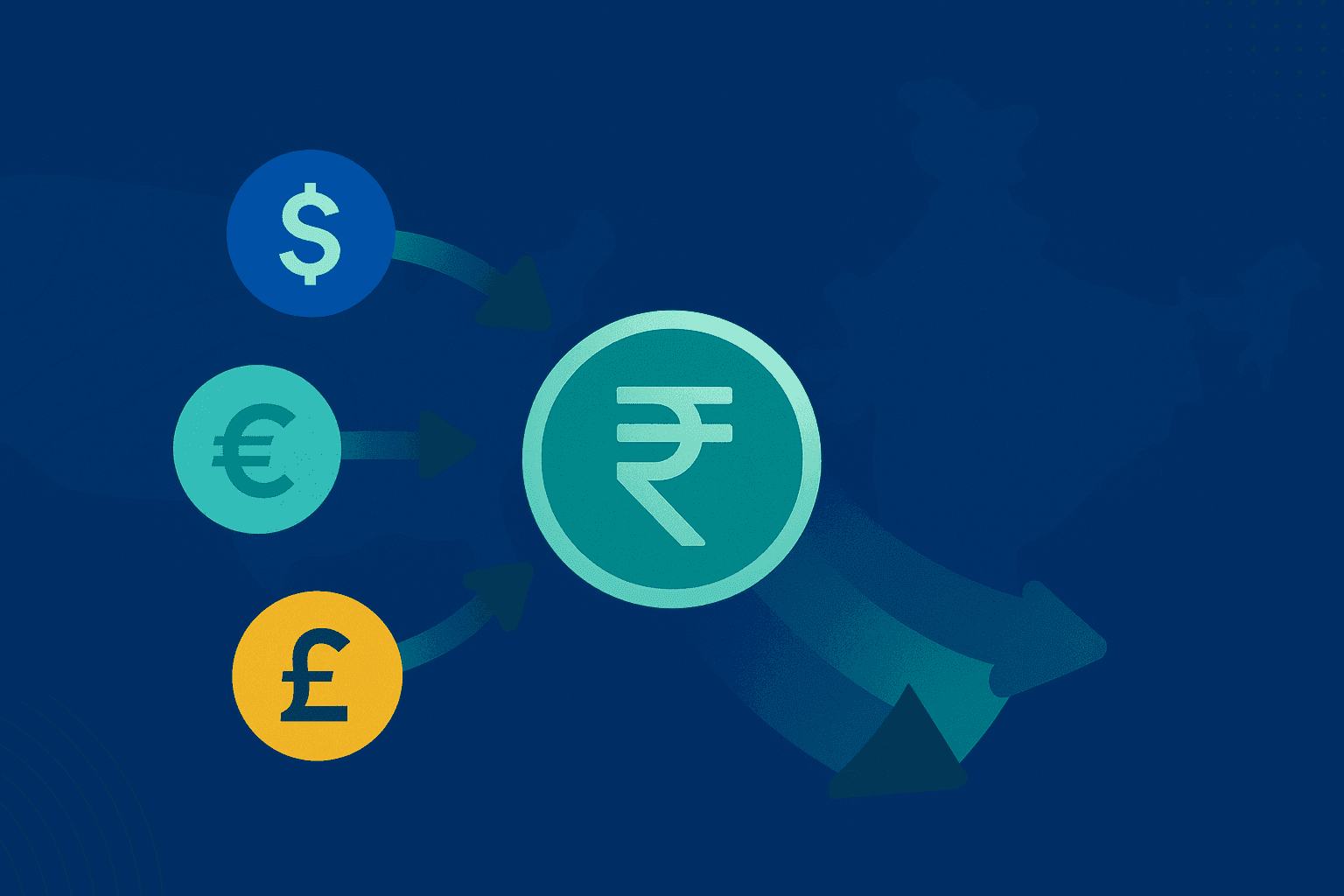
- PA-Cross Border (PA-CB): Covers eligible payment aggregation involving foreign inward and outward payment flows.
What Are the Key Requirements for an RBI Payment Aggregator Licence?
A non-bank applicant must meet several regulatory and operational requirements, including:
- Net Worth: At least ₹15 crore when applying, increasing to ₹25 crore by the end of the third financial year.
- Escrow Account: A dedicated escrow arrangement with a scheduled commercial bank for handling customer funds.
- Payment Security: Compliance with applicable security standards, including PCI-DSS requirements where applicable.
✅ PRO TIP
Indian exporters and freelancers receiving payments from overseas should check whether their payment provider is authorised for PA-CB activities. A domestic PA authorisation does not by itself cover cross-border payment aggregation.
What Are the Types of Payment Aggregator Licenses in India?
India recognises three categories of payment aggregators under the RBI's regulatory framework, namely PA-Online (PA-O), PA-Physical (PA-P), and PA-Cross Border (PA-CB). The 2025 framework consolidates the rules governing these categories and covers both domestic and cross-border payment aggregation.
PA-Online (PA-O)
A PA-Online facilitates digital payments made through websites, mobile applications and other online platforms. It is commonly used for e-commerce checkouts, SaaS subscriptions, utility payments and online booking services.
Key requirements include:
- Net Worth: A non-bank applicant must have a minimum net worth of ₹15 crore when applying, increasing to ₹25 crore by the end of its third financial year.
- Escrow Arrangement: Merchant funds must be maintained through the prescribed escrow arrangement with a scheduled commercial bank and kept separate from the payment aggregator's own funds.
- Security and Audits: The payment aggregator must meet applicable payment-security requirements and undergo the prescribed technology and cybersecurity audits.
- Typical Use Cases: E-commerce payments, subscription billing, utility collections and online booking platforms.
PA-Physical (PA-P)
A PA-Physical handles payment aggregation for face-to-face transactions at physical merchant locations. This includes payment acceptance through devices and other physical payment touchpoints.
Key requirements include:
- Net Worth: The same ₹15 crore minimum at application and ₹25 crore requirement by the end of the third financial year apply.
- Payment Security: Physical payment infrastructure must have appropriate security controls to protect transaction data and prevent tampering or unauthorised access.
- Settlement: Merchant settlement must follow the timelines agreed under the applicable regulatory and contractual framework rather than a universal T+2 or T+3 rule.
- Typical Use Cases: POS terminals, merchant QR payments, soundboxes and mobile billing or payment terminals.
PA-Cross Border (PA-CB)
A PA-CB facilitates eligible online payment transactions involving the import or export of goods and services. The RBI introduced the PA-CB framework to bring entities that facilitate cross-border payment transactions under direct regulation, replacing the earlier OPGSP-based framework for these activities.
PA-CB authorisation can cover three categories:
- PA-CB-E (Export-Only): Facilitates eligible inward payments from overseas buyers to Indian exporters.
- PA-CB-I (Import-Only): Facilitates eligible outward payments from Indian buyers to overseas merchants.
- PA-CB-E&I (Export and Import): Covers both eligible export and import payment flows.
Key requirements include:
- Net Worth: The applicable net-worth requirements depend on whether the entity is an existing PA-CB or a new applicant, with the framework requiring the prescribed ₹15 crore and ₹25 crore thresholds within the applicable transition or authorisation period.
- Separate Fund Flows: Inward and outward cross-border payment flows are subject to separate account and fund-management requirements. They cannot simply be pooled together.
- Merchant Onboarding: PA-CBs must conduct appropriate due diligence and KYC on merchants and comply with applicable requirements for cross-border transactions.
- Compliance: PA-CBs are subject to requirements covering export/import documentation, reporting and applicable anti-money-laundering obligations, including registration and reporting requirements under FIU-IND where applicable.
- Typical Use Cases: Indian freelancers receiving eligible foreign-client payments, D2C businesses receiving overseas sales proceeds and platforms facilitating eligible cross-border collections.
- Transaction Limits: Specific transaction limits and the involvement of Authorised Dealer (AD) Category-I banks depend on the nature and value of the cross-border transaction. These should not be presented as a blanket ₹25 lakh limit for every PA-CB transaction.
- Escrow Transition: PA-CBs were required to transition to the applicable account and escrow arrangements under the updated framework within the prescribed timelines, including the December 31, 2025 transition date referenced in the regulatory framework.
In short, PA-O and PA-P cover domestic online and physical payment aggregation, while PA-CB covers eligible cross-border payment aggregation. Indian businesses receiving foreign payments should therefore check whether their cross-border payment provider is authorised for the specific PA-CB activity involved, rather than assuming that a domestic PA authorisation also covers international transactions.
RBI authorisation is only one part of evaluating a payment aggregator. Also look at what the provider is actually authorised to do, how your specific payment flow is handled, and what documentation you get after settlement. For cross-border receipts, check the provider's PA-CB category and whether it supports the type of transaction you actually receive. That check prevents compliance issues later.


What Documents are Required for an RBI Payment Aggregator License?
An RBI payment aggregator licence application requires corporate, financial, governance, technology, and compliance documentation that allows the RBI to assess the applicant's ownership, financial strength, payment infrastructure, risk controls, and ability to meet regulatory requirements.
The application typically includes:
- Corporate Documents: Certificate of Incorporation (CoI), Memorandum and Articles of Association (M&AOA), ownership and shareholding structure, and a board resolution authorising the application.
- Director and Shareholder Documents: PAN and address proof of directors, their DIN and DSC details, and KYC documents for relevant directors and shareholders.
- Financial Documents: Company bank account details, audited profit and loss accounts, financial statements, balance sheet, and a statutory auditor's certificate confirming the required minimum net worth of ₹15 crore at the time of application.
- Business Plan: A detailed 5-year business plan covering the proposed payment flow, risk-management framework, IT infrastructure, grievance-redressal mechanism, and compliance policies. It should be tailored to the applicant's proposed PA business rather than submitted as a generic template.
- Technology Documentation: Details of the proposed technology infrastructure, system architecture, security controls, server-hosting arrangements, encryption practices, and applicable payment-security standards.
- Code and Security Assessment: A code-testing or security-assessment report from an appropriate software or security-certification agency, where required, demonstrating that the payment system meets applicable security requirements.
- Data and Hosting Information: Architecture diagrams, server-hosting agreements, and information demonstrating compliance with applicable RBI requirements for payment-system data storage.
- Compliance Framework: Board-approved KYC, risk-management, fraud-prevention, and Anti-Money Laundering (AML) policies tailored to the applicant's business model and the types of merchants it intends to onboard.
- Business Premises: Address proof for the company's registered or operating location.
What Should the 5-Year Business Plan Include?
The 5-year business plan should explain how the proposed payment aggregator will operate in practice. It should cover the payment flow, merchant onboarding, risk management, technology infrastructure, grievance redressal, compliance controls, and other operational processes relevant to the business model.
What Technology Documents Does the RBI Review?
The technology submission should provide enough detail for the RBI to assess the security and resilience of the proposed payment infrastructure. Depending on the applicable requirements, this can include PCI-DSS/other applicable payment-security compliance, encryption controls, secure transport-channel practices, architecture diagrams, hosting arrangements, and code or security-testing reports.
The applicant should also provide evidence demonstrating compliance with applicable RBI data-storage requirements rather than simply stating that all financial data is stored in India.
What Does the RBI Check About Directors and Promoters?
The RBI assesses the fit and proper status of directors and promoters as part of the authorisation process. The application therefore requires relevant declarations and KYC information, with scrutiny of financial, legal, and regulatory background, including matters such as convictions and insolvency.
The application process also provides for the RBI to publish details of the applicant for public comments after the relevant application and declaration requirements have been met. This gives stakeholders an opportunity to raise relevant concerns before the authorisation decision.
Important: The exact supporting-document checklist can depend on the applicant's structure and the type of PA authorisation being sought. Applicants should therefore use the RBI's current application requirements rather than relying on a generic third-party checklist.
How to Apply for RBI PA Licence: Step-by-Step Process
The RBI payment aggregator licence process involves 8 key steps, involving incorporating the company and meeting the capital requirement, submitting the application, completing regulatory review, and obtaining the final authorisation.
Step 1: Incorporate a Company
The applicant must be incorporated in India as a company under the Companies Act, 2013 and have the required corporate and tax registrations, including PAN and applicable GST registration. An LLP or sole proprietorship would need to operate through an eligible company structure before seeking PA authorisation.
Step 2: Meet the ₹15 Crore Net Worth Requirement
A non-bank applicant must have a minimum net worth of ₹15 crore at the time of application, increasing to ₹25 crore by the end of the third financial year. The applicant must submit the prescribed auditor's certificate and supporting financial records.
Step 3: Build the Required IT Infrastructure
The applicant must establish secure technology infrastructure for payment processing, information security, fraud prevention, risk management, business continuity, and disaster recovery. Applicable payment-security and system-audit requirements must also be addressed before final authorisation.
Step 4: Set Up the Escrow Account
The payment aggregator must maintain a separate escrow account with a scheduled commercial bank for funds collected on behalf of merchants. The escrow arrangement must comply with RBI requirements governing the handling and settlement of merchant funds.
Step 5: Prepare Board-Approved Policies
The applicant must put in place policies covering merchant onboarding, KYC and AML, information security, risk management, fraud prevention, grievance redressal, and data protection. These policies should be tailored to the proposed PA business rather than using generic templates.
Step 6: Submit the Application to RBI
The applicant submits the prescribed authorisation application, including Form A under the PSS Regulations, along with the required supporting documents to the RBI's Department of Payment and Settlement Systems (DPSS). The submission covers the company's ownership, promoters, financial position, business model, technology, risk controls, and compliance framework.
Step 7: Respond to RBI's Due Diligence
RBI examines the application and may request additional information or clarifications on areas such as technology, financial strength, risk management, promoters, and compliance. The applicant must address these queries and provide any additional information requested during the review.
Step 8: Receive Authorisation
If RBI is satisfied with the application, it can grant in-principle authorisation. The applicant must then complete the prescribed requirements, including submission of a satisfactory System Audit Report (SAR), before the final Certificate of Authorisation (CoA) is issued. RBI's general PSS Act framework says it endeavours to dispose of authorisation applications within 6 months of receipt, while the actual timeline can vary depending on completeness, regulatory queries, and the requirements that must be completed before final authorisation.
What Are The Fees for an RBI PA license?
The RBI charges a ₹10,000 application fee plus applicable GST for payment aggregator authorisation. However, this is only a small part of the financial commitment involved in obtaining a PA licence.
- Application Fee: ₹10,000 plus applicable GST, payable to the RBI when submitting the authorisation application.
- Net Worth at Application: The applicant must have a minimum net worth of ₹15 crore, supported by the required statutory auditor's certificate.
- Net Worth After Authorisation: The net worth must increase to ₹25 crore by the end of the third financial year and be maintained at the prescribed minimum thereafter.
The ₹15 crore and ₹25 crore mean that these amounts are capital/net-worth requirements that the company must maintain as its own financial strength. They are not fees paid to or collected by the RBI.
What are The Common Reasons for RBI PA Licence Rejection?
The common reasons for RBI payment aggregator licence rejection include insufficient net worth or incorrect financial documentation, inadequate IT infrastructure, failure to meet fit-and-proper requirements, incomplete policies, gaps in security or system-audit requirements, and inadequate responses to RBI queries.
- Insufficient Net Worth or Incorrect Documentation: The applicant must have a minimum net worth of ₹15 crore at the time of application, increasing to ₹25 crore by the end of the third financial year. Errors in the net-worth calculation or supporting auditor certificate can make the application deficient.
- Inadequate IT Infrastructure: RBI evaluates the payment system's technical design, security procedures, risk management, and operational readiness. An application supported only by a planned architecture, without adequate technology and security arrangements, may not satisfy these requirements.
- Failure to Meet Fit-and-Proper Requirements: RBI examines promoters, directors, and management, including their experience, integrity, financial standing, and relevant regulatory or legal history. Adverse findings can affect the authorisation decision.
- Incomplete or Generic Policies: Policies covering KYC/AML, merchant onboarding, information security, risk management, fraud prevention, and grievance redressal must address the applicant's actual operations. Incomplete or inadequate documentation can lead to further queries or prevent the application from progressing.
- Gaps in Security or System-audit Requirements: RBI requires applicants to meet applicable security and technical standards. A satisfactory System Audit Report is also required before the final Certificate of Authorisation.
- Inadequate Responses to RBI Queries: RBI may request additional information during its review. The published timeline is 90 days for in-principle authorisation and 60 days for the final Certificate of Authorisation, but these timelines apply after the RBI has received complete information and required additional inputs.
What Does The Post-Authorisation Compliance Look Like?
Post-authorisation compliance for an RBI payment aggregator is an ongoing obligation covering capital, cybersecurity, audits, reporting, merchant monitoring, escrow management, and grievance redressal. Key requirements include:
- Maintain Net Worth: The PA must maintain the applicable minimum net worth, including ₹25 crore after the end of the third financial year following authorisation.
- Annual Net-Worth Certification: An audited annual report with a statutory auditor's certificate confirming net worth must be submitted to RBI by September 30.
- Cybersecurity and System Audits: The PA must undergo an annual system and cybersecurity audit by a CERT-In empanelled auditor, with the report submitted within the timeline prescribed by RBI.
- Cybersecurity Incident Reporting: Cybersecurity incidents must be reported to RBI as required, along with relevant root-cause analysis and preventive or corrective action.
- FIU-IND Compliance: Non-bank PAs must register with FIU-IND and comply with applicable reporting obligations under the Prevention of Money Laundering framework and RBI's KYC requirements.
- PCI-DSS and Security Controls: PAs must ensure that applicable merchant systems comply with security standards such as PCI-DSS and PCI-SSF, while maintaining appropriate information-security and fraud-prevention controls.
- Merchant Monitoring: PAs must continuously monitor merchant activity and ensure that transactions remain consistent with the merchant's business profile and applicable KYC and AML requirements.
- Grievance Redressal: PAs must maintain a dispute-resolution mechanism, appoint a responsible officer for merchant grievances, and provide a clear escalation mechanism.
- Monthly Reporting: Statistics of transactions handled must be submitted to RBI by the 7th of the following month.
- Quarterly Escrow Reporting: The auditor's certificate on maintenance of the escrow balance, along with the applicable bankers' certificates, must be submitted by the 15th of the month following the quarter-end.
- Board and Governance Oversight: PAs must maintain Board-approved information-security and risk-management frameworks and ensure that relevant security and compliance matters receive appropriate management oversight.
- Changes in Directors: Changes in the Board of Directors must be reported to RBI as and when they occur, rather than waiting for a periodic filing.
Skydo as a PA-CB License Holder to Help Indian Businesses Receive International Payments
Skydo is authorised by the RBI as a Payment Aggregator-Cross Border (PA-CB), allowing Indian exporters and freelancers to receive eligible international payments through a regulated cross-border payment platform. Skydo received its full PA-CB authorisation in January 2026.
For Indian exporters and freelancers, Skydo's PA-CB framework brings international payment collection within the applicable RBI and FEMA requirements, while providing automatic remittance documentation and faster settlement. Skydo issues a free FIRA for every payment and settles funds into the user's Indian bank account within 24 hours.
Key benefits include:
- Free Multi-Currency Receiving Accounts: Skydo offers local receiving accounts in USD, EUR, GBP, SGD, AUD, and CAD, with setup taking around 5 minutes and no monthly subscription fee.
- Flat-Fee Pricing: Payments below $2,000 cost $19, payments from $2,001 to $10,000 cost $29, and payments above $10,000 cost 0.3%. Skydo also states that it uses live interbank rates with zero FX markup.
- Free FIRA: Skydo automatically issues a free FIRA for every payment, giving exporters remittance documentation without having to separately request the certificate.
- eBRC and EDPMS Assistance: Skydo helps exporters connect their DGFT account, map IRMs against shipping bills, generate eBRCs, and complete EDPMS closure.
- India-Based Support: Skydo provides India-based support through WhatsApp and phone, alongside other support channels.
The combination of RBI PA-CB authorisation, free FIRA issuance, eBRC and EDPMS assistance, multi-currency receiving accounts, and flat-fee pricing makes Skydo particularly suited to Indian goods and services exporters, freelancers, SaaS businesses, and eligible Amazon Global Selling sellers receiving international payments.
Does an RBI payment aggregator license need to be renewed?
An RBI payment aggregator authorisation does not have a fixed annual renewal cycle. Instead, a PA must continuously meet the applicable regulatory requirements, including net worth, escrow, security, audit, and reporting obligations. RBI can take regulatory action, including suspension or cancellation, if an authorised PA fails to comply.
What happens if an RBI PA licence application is rejected?
Can you modify a PA licence application after submission?
Can you reapply for an RBI PA licence after rejection?
Which payment aggregators are approved by the RBI?
What is the difference between a PA-CB and a domestic PA license - and which one matters if I receive foreign payments?
What does a payment aggregator license have to do with getting a valid FIRC?
How much does it cost to get a payment aggregator license in India?