Trade Credit Insurance: Coverage, Cost & Providers in India

TL;DR - Summary
- What is trade credit insurance? - Trade credit insurance protects businesses against eligible losses when customers fail to pay for goods or services supplied on credit, including buyer insolvency, default, or prolonged payment delays.
- What does trade credit insurance cover? - Trade credit insurance covers buyer insolvency, protracted default and specified political risks, depending on the policy, with the insured amount subject to approved credit limits and policy conditions.
- Who sells trade credit insurance in India? - Trade credit insurance in India is offered by ECGC Limited, HDFC ERGO, Bajaj General Insurance, and New India Assurance, with each provider offering different types of cover for exporters and businesses.
- How much does trade credit insurance cost in India? - Trade credit insurance costs depend on the insured turnover, buyer country risk, credit limits, payment terms and whether political-risk cover is included, so exporters generally need a policy-specific quote.
What Is Trade Credit Insurance?
Trade credit insurance helps businesses manage the financial risk of selling on credit by covering eligible losses when customers fail to settle their dues. The policy can protect against situations such as insolvency, default or extended payment delays, depending on its terms.
For exporters and service providers in India, this cover can be particularly useful when a significant portion of revenue depends on invoices from overseas customers. In case a buyer fails to pay, the resulting loss does not have to fall entirely on the business, provided that the situation is covered by the policy.
For example, say an information technology (IT) company in Bengaluru completes a $40,000 assignment for a customer based in the United Arab Emirates (UAE). If the customer becomes insolvent before clearing the invoice, the company may be able to recover the insured portion of the outstanding amount through its trade credit insurance policy.
How Does a Trade Credit Insurance Policy Work?
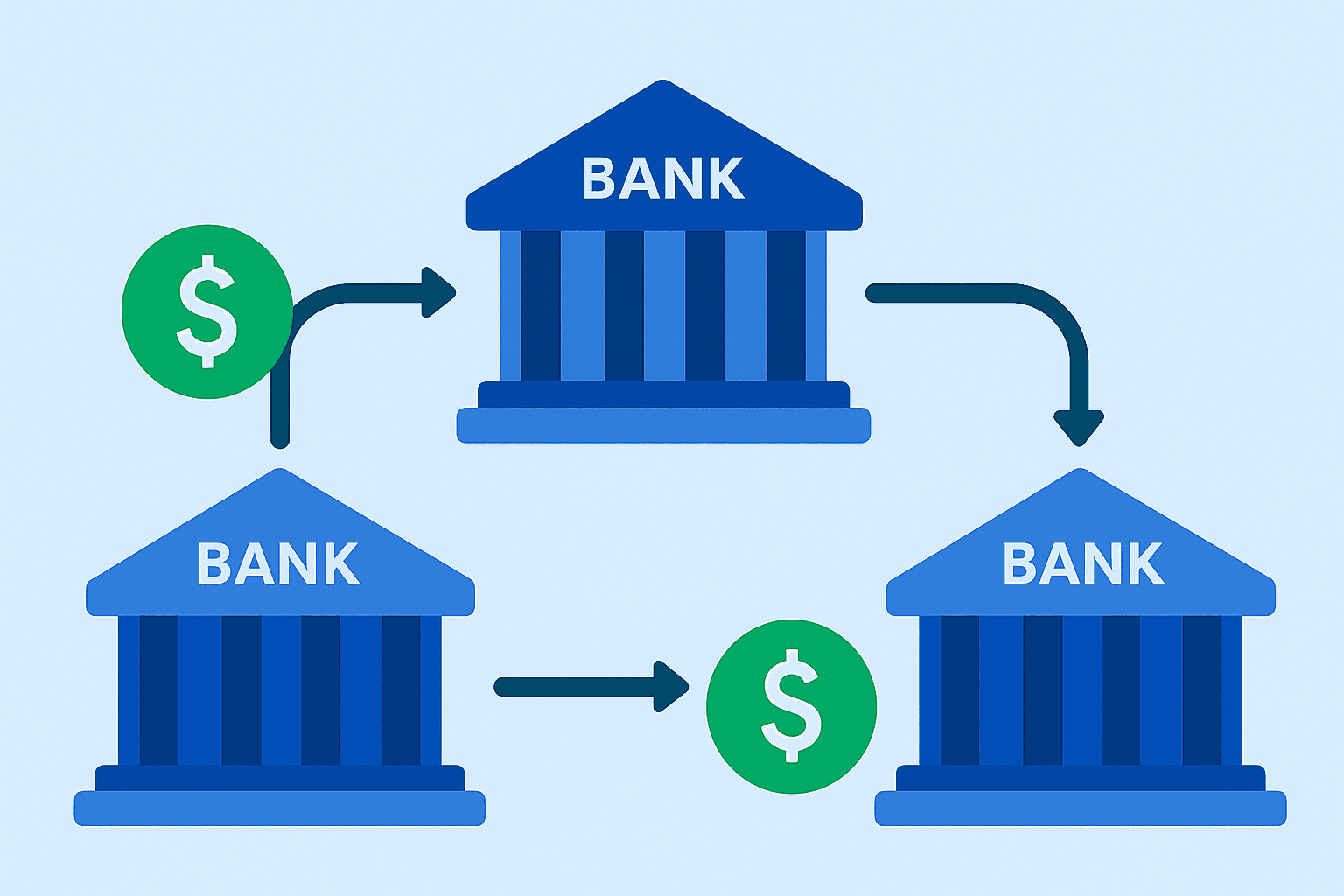
A trade credit insurance policy works by covering a business against eligible losses when an approved buyer does not pay its invoice. The insurer first assesses the buyer and sets a credit limit, after which the business can trade on credit within that limit. In case the buyer later defaults or becomes insolvent, the business can file a claim and receive the covered portion of the unpaid amount. Here is how it works:
- Step 1 - Apply and Get Coverage: The exporter provides information about the buyers they want to cover and whether they are domestic or international. The insurer assesses the creditworthiness of each buyer and assigns a credit limit based on the level of risk.
- Step 2 - Extend Credit and Trade: The exporter supplies goods or services on credit according to the agreed payment terms and within the buyer's approved limit. The policy then provides protection against specified risks associated with that receivable.
- Step 3 - Buyer Fails to Pay: If a covered buyer defaults, becomes insolvent or does not pay within the conditions specified in the policy, the exporter can notify the insurer and submit a claim.
- Step 4 - Claim Settlement: After reviewing and approving the claim, the insurer pays the covered portion of the outstanding invoice. The exporter usually retains some of the loss because the policy may include a deductible or uninsured percentage.
The insurer may also continue monitoring the financial position of covered buyers. This credit information can help exporters decide whether to extend additional credit or adjust existing limits.
Because insured receivables carry less payment risk, they may also strengthen an exporter's case when applying for working capital. Lenders may be more comfortable financing receivables that have appropriate insurance cover, potentially supporting larger credit facilities.

What Does Trade Credit Insurance Actually Cover?
Trade credit insurance covers losses arising from a buyer's failure to pay for goods or services supplied on credit. Depending on the policy, the cover can include buyer insolvency, prolonged non-payment and certain political risks that prevent an overseas buyer from making the payment.
- Buyer Insolvency: Buyer insolvency occurs when a customer is formally declared bankrupt or enters liquidation. In such cases, trade credit insurance can cover the unpaid invoice up to the credit limit approved for that buyer, subject to the policy terms.
- Protracted Default: Protracted default refers to a buyer failing to pay beyond the waiting period specified in the policy, even when the buyer has not been declared insolvent. The waiting period depends on the policy. For example, ECGC's Shipments Comprehensive Risks (SCR), or Standard Policy normally uses four months from the due date, while its Small Exporters Policy uses two months.
- Political Risk (where included): Some trade credit insurance policies cover payment failures caused by events such as import restrictions, currency inconvertibility, war or government actions in the buyer's country. This protection can be particularly relevant for Indian exporters dealing with markets exposed to political or regulatory uncertainty.
- Growing Sales Safely: Trade credit insurance can give exporters greater confidence when extending credit to new international customers or accepting larger orders. The insurer's approved credit limit also helps define the amount of exposure covered for each buyer.
- Faster Credit Decisions: Credit assessments and ongoing information from the insurer can help exporters evaluate buyers more efficiently. This can support quicker decisions about whether to extend credit and how much credit to offer.
- Bad Debt Protection: An unpaid invoice can put pressure on an exporter's cash flow and margins, particularly when the invoice represents a significant portion of revenue. Trade credit insurance provides a financial safety net by covering the insured portion of a qualifying bad debt.
- Better Financing Access: Insured receivables can reduce the risk associated with lending against unpaid invoices. Depending on the lender and policy, this may help exporters access larger working-capital facilities or more favorable financing terms.
⚠️ WATCH OUT
Trade credit insurance protects against the risk of a buyer failing to pay. It does not cover separate costs associated with receiving an international payment, such as foreign exchange (FX) markups or bank fees. Those costs need to be managed separately.
What Does Trade Credit Insurance NOT Cover?
Trade credit insurance does not cover every type of non-payment. Common exclusions include buyer-exporter disputes, losses resulting from the exporter's own contractual failures, transactions where payment was made in advance, certain political and force majeure risks and receivables that fall outside the policy's approved limits or conditions.
- Buyer Disputes: Trade credit insurance generally does not cover non-payment arising from a dispute between the exporter and buyer, such as a buyer withholding payment because the buyer claims that the goods were defective or the agreed services were not delivered as required.
- Exporter’s Own Contractual Failure: Trade credit insurance does not cover losses resulting from the exporter's failure to meet the terms of the sales contract. If the exporter's own breach leads to the buyer withholding payment, the resulting loss would typically fall outside the policy.
- Cash-in-Advance Transactions: Trade credit insurance is designed to protect credit exposure created when payment is due after goods or services are supplied. A cash-in-advance transaction does not create the same buyer-credit exposure because the buyer has already paid.
- Political Risk: Political risk protection depends on the policy. Some trade credit insurance policies cover events such as government restrictions, import restrictions, currency inconvertibility or war, while other policies may require additional political-risk cover. ECGC Limited export policies include specified political risks.
- Force Majeure Events: Treatment of natural disasters and pandemics varies by policy. Check whether the resulting non-payment is a covered commercial or political risk and whether any exclusion applies.
- Concentration Risk: Trade credit insurance generally covers a buyer only up to the approved credit limit. For example, if the policy sets a $30,000 credit limit for a buyer and the outstanding invoice is $50,000, up to $30,000 is eligible for cover, subject to the insured percentage and other policy terms, while the remaining $20,000 is outside the limit.
- Pre-existing Payment Problems: Losses on invoices that were already overdue when the policy was taken out or where the buyer was already known to be experiencing serious financial difficulty are generally excluded. Trade credit insurance is intended to cover future eligible risks rather than problems that already existed when the policy began.
⚠️ COMMON MISCONCEPTION
Political risk protection is not the same across all trade credit insurance policies. If a buyer is located in a high-risk market, check country and buyer approval, covered political risks, and exclusions. Insurance does not override applicable sanctions, and sanctions clauses can prevent cover or claim payment. ECGC policies often include specified political risk protection, thereby making ECGC worth comparing when exporting to higher-risk markets.
Who Sells Trade Credit Insurance in India?
Trade credit insurance in India is available from both public-sector and private insurers, including ECGC Limited, HDFC ERGO, Bajaj General Insurance, and New India Assurance. Their policies differ in terms of the type of receivables covered, buyer risk, eligibility and pricing.
| Provider | Coverage Type | Best Suited For | Approximate Premium Range |
|---|---|---|---|
| ECGC Limited | Export credit risk, including specified political risks | Small and mid-size Indian exporters of goods and services | Policy-specific; minimum premiums vary by product |
| HDFC ERGO | Commercial trade credit risk | Mid to large businesses, domestic and export | Market-rate; varies by buyer portfolio |
| Bajaj General Insurance | Commercial trade credit risk | Domestic and export receivables | Market-rate; varies by buyer portfolio |
| New India Assurance | Export credit risk | Businesses with domestic or export trade receivables | Policy-specific quote |
- ECGC: ECGC is a Government of India entity focused on supporting Indian exporters against payment-related risks. Its policies can cover commercial risks such as buyer default and insolvency, while eligible policies may also provide protection against specified political risks, including war, import restrictions and currency inconvertibility.
- HDFC ERGO and Bajaj General Insurance: Both are private-sector general insurers offering trade credit protection as part of their commercial insurance offerings. Their policies can be structured around the business's buyer portfolio and exposure, with premiums determined by factors such as the buyers covered and the level of risk.
- New India Assurance: New India Assurance is a public-sector general insurer offering trade credit insurance for domestic and export receivables. It is another option for businesses comparing cover alongside ECGC and private insurers.
✅ PRO TIP
ECGC can be worth comparing for small and mid-size Indian exporters, but compare policy-specific quotes rather than assuming it is cheaper. Some ECGC policies also include specified political-risk protection, although the exact risks covered depend on the policy. Make sure you compare the coverage, exclusions, credit limits, and premium before choosing between ECGC and private insurers.
Related: Red Clause Letter of Credit: How It Works & Examples
How Much Does Trade Credit Insurance Cost in India?
The cost of trade credit insurance in India depends on the size and risk of the receivables being insured. Insurers consider factors such as the total insured turnover, where the buyers are located, their creditworthiness, the payment terms offered and whether the policy covers commercial risk alone or includes political-risk protection.
- Insured Turnover: Premiums are generally linked to the value of receivables covered under the policy. Rates and minimum premiums vary by policy and risk profile; obtain a policy-specific quote.
- ECGC Pricing: ECGC lists a minimum premium of ₹5,000 for its Small Exporters Policy and ₹10,000 for its SCR or Standard Policy. The final premium depends on the policy and exports covered.
- Private Insurer Pricing: HDFC ERGO and Bajaj General Insurance price trade credit policies according to the risk of the business and its buyer portfolio. Factors such as the exporter's claims record and the financial strength of its buyers can influence the quoted rate.
- Getting a Quote: There is no single standard public-facing premium calculator that applies across Indian trade credit insurers. Exporters generally need to approach ECGC or a private insurer with information such as annual export turnover, buyer countries, outstanding exposure, and credit terms to receive a policy-specific quote.
- Key Pricing Factors: The buyer's country risk, requested credit limit, and payment period can all affect the premium. For example, extending payment terms from 30 days to 90 days can increase the insurer's exposure and may affect the price. The type of protection selected also matters.
- Political-risk Cover: Adding political-risk protection can increase the premium because it expands the risks covered by the policy. For exporters dealing with emerging markets or countries with higher political or regulatory risk, this additional cover can provide meaningful protection against specified events that could prevent payment.
Note: Do not compare trade credit insurance policies on premium alone. Check the buyer credit limits, exclusions, waiting periods, deductibles, political-risk coverage and percentage of loss actually indemnified before choosing a policy.
What Are the Types of Trade Credit Insurance?
The main types of trade credit insurance include whole-turnover, single-buyer, key-account and excess-of-loss cover. Note that each type of trade credit insurance suits a different level and pattern of buyer exposure.
- Whole-Turnover Policy: A whole-turnover policy covers the exporter's receivables across the buyer portfolio, subject to the insurer's approved credit limits and policy conditions. It can suit businesses with multiple buyers and recurring credit sales, with approved buyers covered subject to the limits and conditions set by the insurer. ECGC Limited also offers turnover-based cover for export sales.
- Single-Buyer Policy: This policy is designed around exposure to one particular customer. ECGC offers buyer-specific cover, including for IT-enabled services, subject to the product's terms. For other general insurers, the Insurance Regulatory and Development Authority of India's (IRDAI) guidelines restrict individual-buyer cover to micro and small enterprises and project covers.
- Key Accounts Policy: A key-account structure allows a business to focus insurance on a selected set of important customers rather than its entire receivables portfolio. This can be appropriate when a few high-value accounts represent a significant share of the business's credit exposure.
- Export Credit Insurance vs. Domestic Trade Credit Insurance: Export credit insurance protects receivables arising from overseas sales and can cover both commercial risks such as buyer insolvency or prolonged default and specified political risks in the buyer's country. Domestic trade credit insurance covers eligible buyers within India and is primarily concerned with commercial or buyer-related non-payment risk.
- Excess-of-Loss Policy: This structure is designed to protect against losses once they cross a predetermined threshold, rather than covering every small loss from the first rupee. It can therefore suit larger businesses with established credit-control systems that are comfortable retaining smaller losses while transferring the risk of a major deterioration in their receivables portfolio.
Related: Pre-Shipment Credit: Meaning, Types, Interest Rates & How to Get It: Guide for Indian Exporters
Who is eligible for ECGC trade credit insurance in India?
Indian exporters of goods and services engaged in legitimate export activity can apply for ECGC trade credit insurance, subject to the eligibility requirements of the specific policy. Exporters generally need to register with the ECGC Limited, provide details of their export business and turnover, and disclose the buyers they want to cover. ECGC eligibility varies by product: its SCR or Standard Policy requires annual export turnover above ₹5 crore, while its Small Exporters Policy is for projected annual export turnover up to ₹5 crore.
Does trade credit insurance cover service exports like IT or consulting?
How long does a trade credit insurance claim take to settle?
Can a small exporter or freelancer get trade credit insurance?
Is trade credit insurance mandatory for export financing or bank loans?
What documents are needed to file a trade credit insurance claim?
How is the trade credit insurance premium calculated?
Does trade credit insurance cover partial non-payment?