HDFC Trade on Net: Login, Features & Limitations

TL;DR - Summary
- What is HDFC Trade on Net? - HDFC Trade on Net is a corporate digital trade finance portal from HDFC Bank that lets businesses initiate and manage documentary trade finance transactions online.
- Who is HDFC Trade on Net designed for? - HDFC Trade on Net is designed for businesses engaged in formal trade finance structures, where payment is routed through documentary instruments such as Letters of Credit (LCs) and Bank Guarantees (BGs).
- What transactions does HDFC Trade on Net support? - HDFC Trade on Net supports documentary trade finance transactions, primarily LCs and BGs, along with export bill collection.
- What are the limitations of HDFC Trade on Net for Indian exporters and freelancers? - The limitations of HDFC Trade on Net include Relationship Manager (RM) dependency, manual document workflows, lack of real-time settlement visibility, Foreign Inward Remittance Certificate (FIRC) tracking delays, and fee opacity.
What Is HDFC Trade on Net?
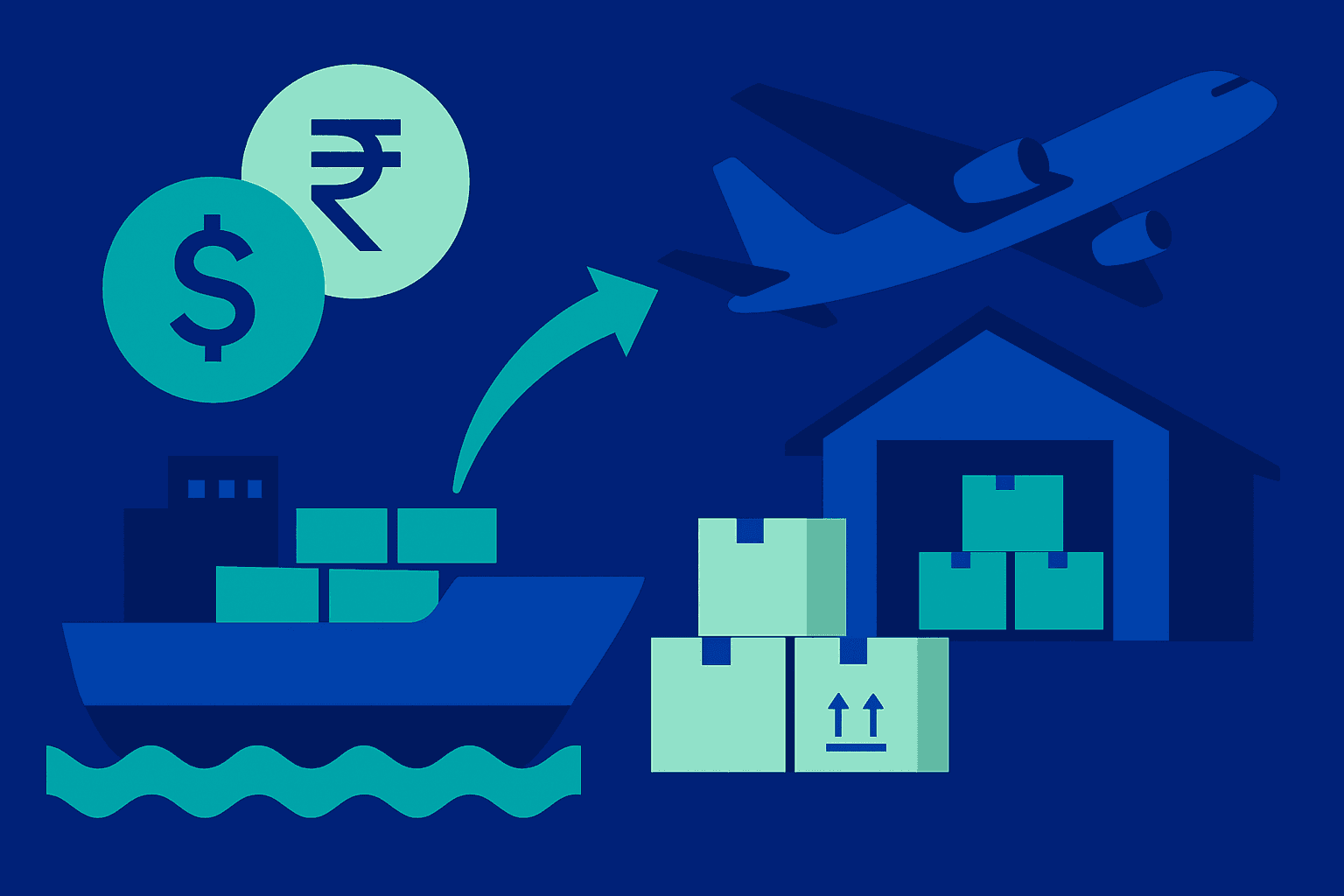
HDFC Trade on Net is a corporate digital trade finance portal from HDFC Bank. Businesses use it to initiate and manage documentary trade finance transactions online, such as Letters of Credit (LCs), Bank Guarantees (BGs), and export bill collection.
It handles trade finance operations. It doesn't handle everyday fund transfers or retail netbanking.
Here's an example. A Mumbai-based export firm that regularly ships goods under LC-backed contracts would use Trade on Net to submit shipping documents and track the status of its export bill. It wouldn't use the portal to receive a direct SWIFT payment from a foreign client.
✅ PRO TIP
If your foreign client does not issue an LC or BG, Trade on Net is unlikely to be relevant to your transaction.
Who Should Use HDFC Trade on Net?
HDFC Trade on Net is for businesses engaged in formal trade finance structures, where payment is routed through documentary instruments such as LCs and BGs. If your export contracts run on those instruments, the portal fits your workflow.
The platform is not suited for freelancers or small exporters who receive payments directly from foreign clients without any documentary trade instrument in place. If a foreign client simply wires money, Trade on Net has no role in that transaction.

What Transactions Does HDFC Trade on Net Support?
HDFC Trade on Net supports documentary trade finance transactions, primarily Letters of Credit (LCs) and Bank Guarantees (BGs). It also supports export bill collection, which lets exporters submit shipping documents digitally for bill processing.
- Letters of Credit and Bank Guarantees: the primary transaction types on the platform.
- Export bill collection: you submit shipping documents digitally for bill processing.
The platform is built for businesses engaged in formal trade finance structures, where payment is routed through documentary instruments instead of direct wire transfers.
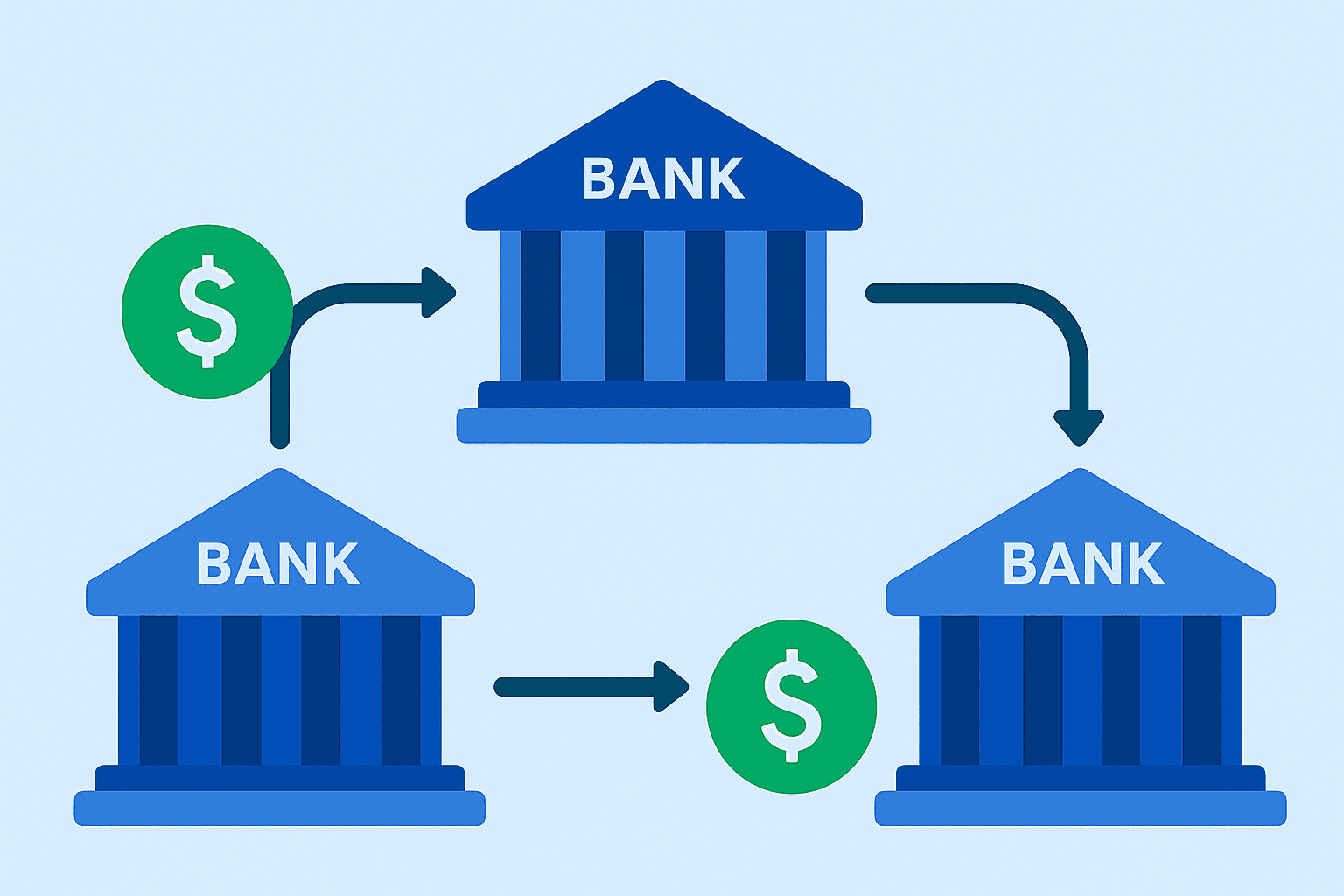
LC-backed transactions require a bank as an intermediary to verify shipping documents before releasing payment. Trade on Net digitizes that intermediary workflow.
If your export contracts are not LC-backed, you will rarely find a use case for Trade on Net in your day-to-day payment workflow.
Many freelancers and small exporters assume Trade on Net handles everyday inward remittance receipt. It does not. It is designed for documentary trade finance (LCs, BGs, export bills), not SWIFT transfers or direct foreign client payments.

How Do You Access and Use HDFC Trade on Net?
You access HDFC Trade on Net through the HDFC Bank SME Digital Banking portal with corporate internet banking credentials. It's a corporate banking feature, so standard retail netbanking credentials don't give you access.
- Register your business as a corporate internet banking user with HDFC Bank. First-time setup requires this.
- The bank enables the trade finance module separately, after account-level activation.
- Log in through the SME Digital Banking portal.
- Select the relevant trade transaction type: LC, BG, or export bill.
- Fill in the required trade details.
- Upload the supporting shipping or trade documents.
- Submit for bank processing.
- Track the status of your LC or export bill in the portal dashboard, using the reference or transaction number the portal gives you after submission.
Trade on Net is also available as a mobile app, listed on the Google Play Store. You can initiate and track trade finance transactions from a mobile device.
What Are the Limitations of HDFC Trade on Net?
The limitations of HDFC Trade on Net for Indian exporters and freelancers are Relationship Manager (RM) dependency, manual document workflows, lack of real-time settlement visibility, Foreign Inward Remittance Certificate (FIRC) tracking delays, and fee opacity. The platform also has no role when a foreign client wires money without an LC.
- RM dependency: many actions within the trade portal, especially first-time setup or resolving a stuck transaction, still require calling or emailing a Relationship Manager. That adds delays to an otherwise digital process.
- Manual document submission: although the portal is digital, the underlying process still involves uploading physical trade documents (shipping bills, invoices, packing lists). They must match bank-specified formats, and any mismatch triggers manual review and delays.
- Lack of real-time settlement visibility: you can't see a live status of when funds will be credited after document submission. Settlement timelines are not guaranteed or displayed transparently on the portal.
- FIRC/FIRA tracking delays: getting a FIRC through the bank is not automatic. You must follow up separately, and delays are common.
- Fee opacity: forex spread and service charges are not displayed upfront. Hidden charges on forex conversion through bank trade portals can erode 3–5% of your receivable.
- Not designed for direct SWIFT or wire receipts: if a foreign client simply wires money without an LC, Trade on Net has no role in that transaction. You manage the inward remittance through standard banking channels.
For these reasons, the platform is not suited for freelancers or small exporters who receive payments directly from foreign clients without any documentary trade instrument in place.
💡 QUICK INSIGHT
FIRC issuance is not automatic through HDFC Trade on Net. Exporters must request it separately and wait, which can slow down compliance filing.
How Does HDFC Trade on Net Compare to Digital Alternatives?
HDFC Trade on Net and flat-fee digital payment platforms differ across five dimensions: setup time, fee transparency, FIRC issuance, settlement visibility, and RM dependency. Trade on Net is best suited for LC/BG-backed documentary trade, while a flat-fee platform such as Skydo is best suited for direct SWIFT/wire receipts from foreign clients.
| Dimension | HDFC Trade on Net | Flat-Fee Digital Alternative (e.g. Skydo) |
|---|---|---|
| Setup time | Days to weeks (corporate banking activation required) | 10–15 minutes (fully online) |
| Fee transparency | Forex spread + service charges, not displayed upfront | $19 flat (under $2,000), $29 flat ($2,000–$10,000), 0.3% (above $10,000) |
| FIRC/FIRA issuance | Manual request, delayed | Auto-generated for every transaction |
| Settlement visibility | No real-time timeline shown | Guaranteed within 1 working day |
| RM dependency | Yes - setup and issue resolution require RM contact | No - fully self-serve, digital |
| Best suited for | LC/BG-backed documentary trade | Direct SWIFT/wire receipts from foreign clients |
On a $5,000 invoice, a bank forex spread of 3–5% costs ₹12,500–₹20,800 (at ₹83/$) before any service charges. A flat-fee platform charges a fixed amount regardless of invoice size in that bracket. Always calculate your effective cost, not just the stated service fee.
The two types of platform serve different use cases. Trade on Net handles LC-backed trade, and flat-fee platforms handle direct SWIFT receipts, so know which one your transaction needs. If your foreign clients pay via wire transfer without issuing an LC, a flat-fee inward remittance platform will serve you better than a trade finance portal.
If you're an exporter or freelancer receiving international payments directly from foreign clients, without LCs or trade finance instruments, Skydo offers free virtual accounts (USD, EUR, GBP, SGD, AUD, CAD), flat fees, and auto-generated FIRC. Setup takes 10–15 minutes.
✅ PRO TIP
Exporters using HDFC Trade on Net for LC-backed transactions can still use a separate platform like Skydo for direct SWIFT or wire receipts from clients who do not issue LCs. The two are not mutually exclusive.
How Does Skydo Simplify Receiving International Payments?
When a foreign client wires money without an LC, Trade on Net has no role in the transaction, and you handle the inward remittance through standard banking channels. Skydo replaces bank-level complexity (forex markups, RM dependency, manual FIRC requests, and unpredictable settlement timelines) with a flat-fee, fully digital platform built for Indian exporters and freelancers.
- Free virtual accounts: Skydo provides free virtual accounts in USD, EUR, GBP, SGD, AUD, and CAD. You share the virtual account details with your foreign client, who wires the payment as a local transfer, so there's no SWIFT complexity on the sender's side.
- Fees: under $2,000 is $19 flat. From $2,000 to $10,000 is $29 flat. Over $10,000 is 0.3%. There are no monthly fees, and you pay only when you transact. No hidden forex spread eats into your receivable.
- Auto-generated FIRC/FIRA: every transaction comes with a free FIRC certificate automatically, with no manual follow-up, no delays, and no RM calls.
- Settlement within 1 working day: unlike bank portals where settlement timelines are opaque, Skydo guarantees funds reach you within 1 working day of receipt.
- eBRC and EDPMS support: you can link your DGFT account once and bulk-upload shipping bills to auto-map IRMs and generate eBRC in a click. That removes the compliance burden that typically requires manual coordination with a bank.
- Setup in 10–15 minutes: it's entirely online, with no branch visit or corporate banking activation required.
- Ideal for: goods and services exporters, freelancers with proper documentation, and Amazon sellers receiving payments from foreign marketplaces.
What is the login URL for HDFC Trade on Net?
HDFC Trade on Net is accessed through the HDFC Bank SME Digital Banking portal, and the entry point is https://www.hdfc.bank.in/ways-to-bank/digital-banking/online-banking/sme-digital. You need corporate internet banking credentials. Standard retail netbanking login doesn't work.
What types of transactions can I do on HDFC Trade on Net?
Can I use HDFC Trade on Net on my mobile phone?
What documents do I need to submit on HDFC Trade on Net?
What should I do if my payment is stuck or not processed on HDFC Trade on Net?
Does HDFC Trade on Net issue FIRC certificates automatically?
Is HDFC Trade on Net suitable for freelancers receiving payments from foreign clients?
Can I use a separate platform alongside HDFC Trade on Net for direct SWIFT receipts?